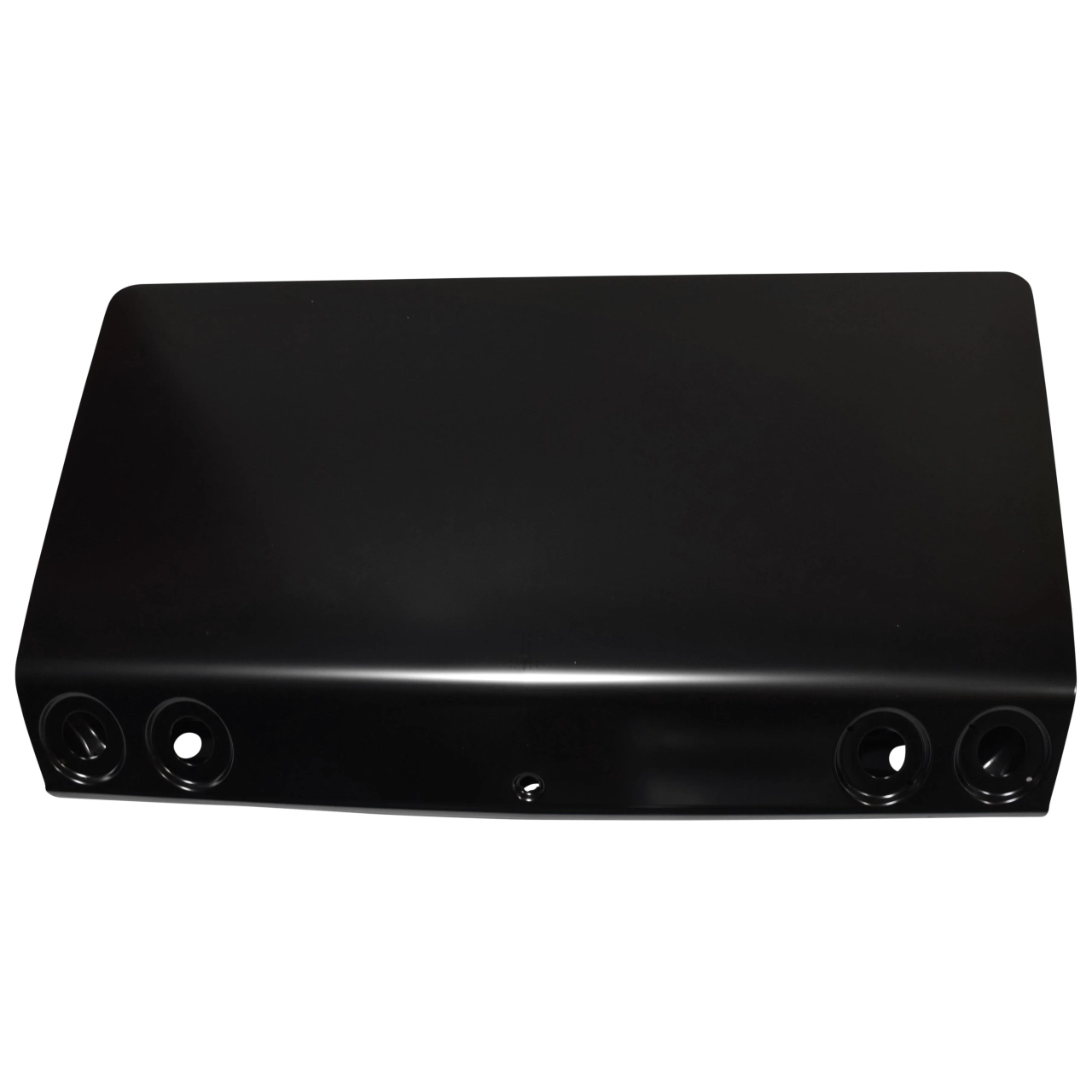
- What is this product?
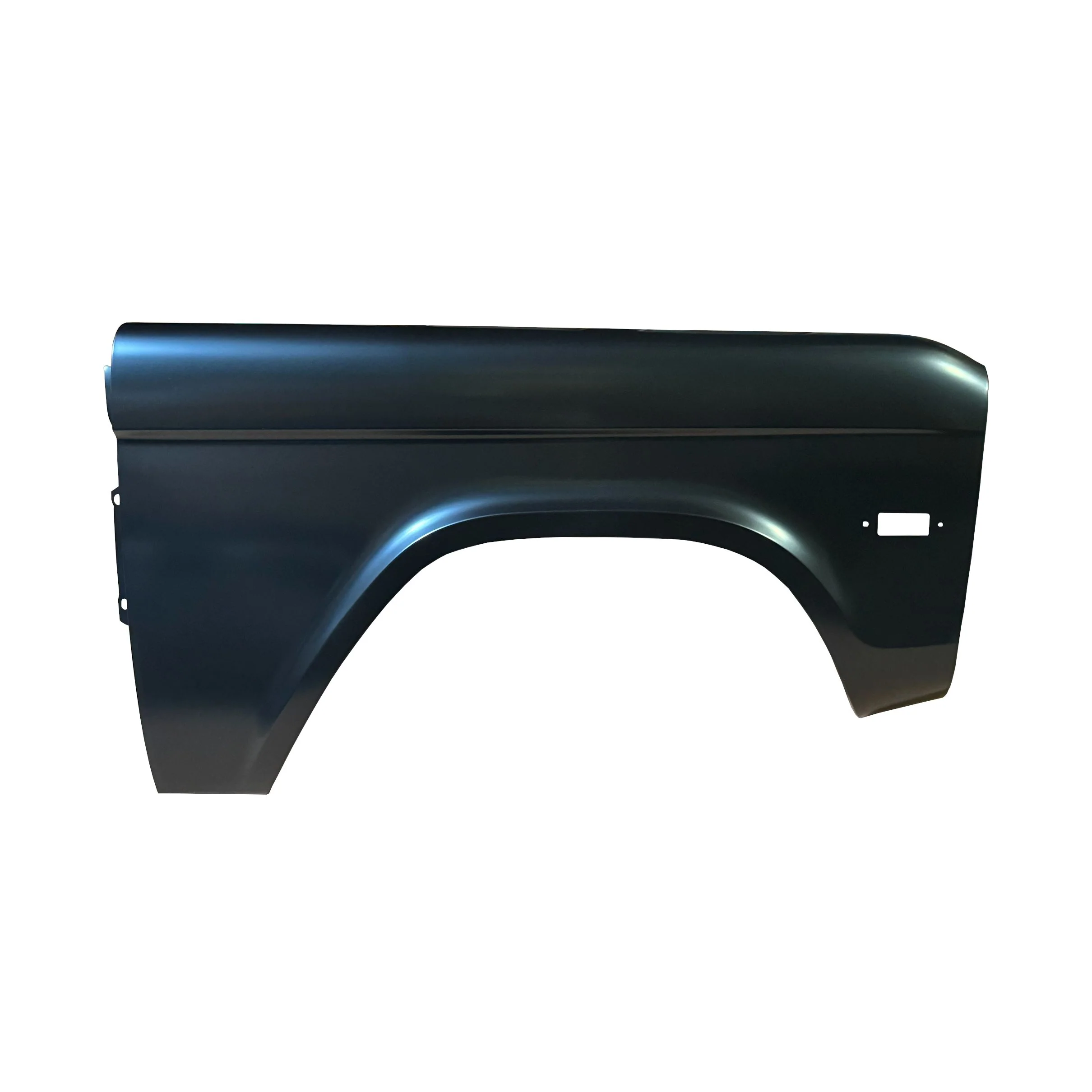
- It is a new replacement right-hand front fender for compatible 1966–1977 Ford Bronco models.
- Which side does RH refer to?
- RH means right-hand, which is the passenger side on U.S.-market Broncos.
- Does this fit 1966–1977 Ford Bronco models?
- Yes. It is intended for compatible first-generation Ford Bronco applications from 1966 through 1977.
- Will it fit a 1978 Ford Bronco?
- No. The 1978 Bronco uses a different full-size body design.
- Is this an original Ford OEM fender?
- Unless specifically stated otherwise by the supplier, it should be treated as an aftermarket or reproduction replacement panel.
- Is this suitable for restoration work?
- Yes. It is well suited to classic Bronco restoration, rust repair, and collision work.
- Can it replace a badly rusted original fender?
- Yes. A full replacement panel can be a better option when the original fender has widespread corrosion.
- Can it replace a dented or collision-damaged fender?
- Yes. It is intended for situations where the original panel is too damaged to repair cleanly.
- Can cowl or door-pillar damage affect body gaps?
- Yes. Structural damage around the cowl or pillar can change the fender-to-door gap.
- Can previous bodywork affect fitment?
- Yes. Old repairs, welds, filler, or distorted mounting points can affect alignment.
- Can a DIY installer fit it?
- Yes, if they have experience with body-panel fitting, drilling, shimming, and refinishing.
- What tools are commonly needed?
- Typical tools include sockets, wrenches, drills, clamps, body-panel alignment tools, and paint-preparation equipment.
- Should the hood and door be installed during test fitting?
- Yes. Their positions help establish proper body gaps.
- How should I check the wheel-opening alignment?
- Compare it with the rocker line, door, tire position, and surrounding body contours.
- Can worn body mounts affect fender alignment?
- Yes. Uneven or deteriorated body mounts can alter body-panel relationships.
- What is the estimated bare panel weight?
- Approximately 18–25 lb, depending on the manufacturer and panel construction.
- What shipping weight should I use for the listing?
- 30 lb (13.6 kg) is a practical estimated packaged listing weight unless an exact supplier figure is available.
- Why is the shipping weight higher than the panel weight?
- Large sheet-metal panels require reinforced cartons and protective packing.
- Should I inspect the fender when it arrives?
- Yes. Check for dents, bent edges, scratches, and freight damage before starting bodywork.
- What should I verify before ordering?
- Confirm 1966–1977 Ford Bronco fitment, RH passenger-side position, early Bronco body style, wheel-opening profile, trim and marker-light configuration, and surrounding body condition before purchase.