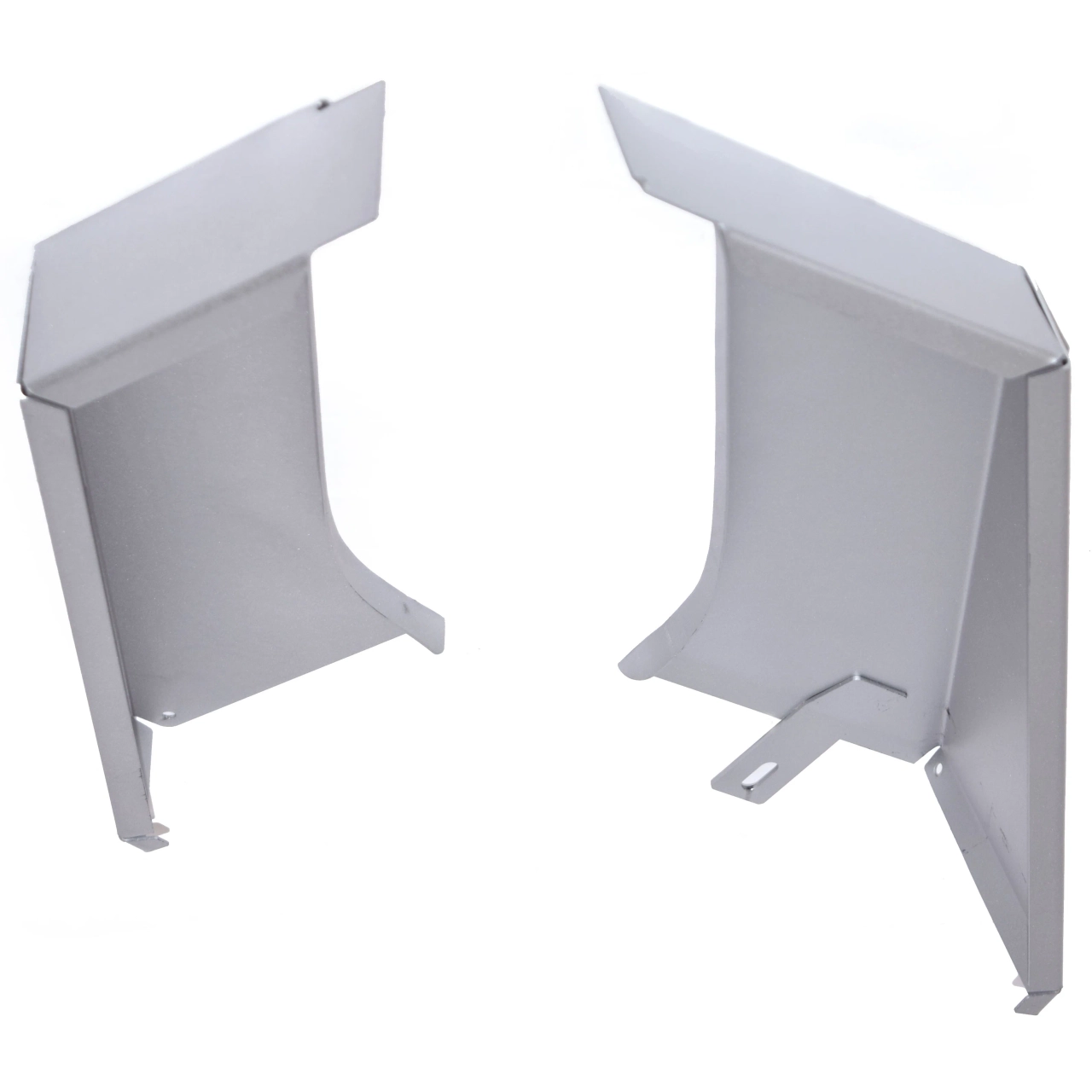
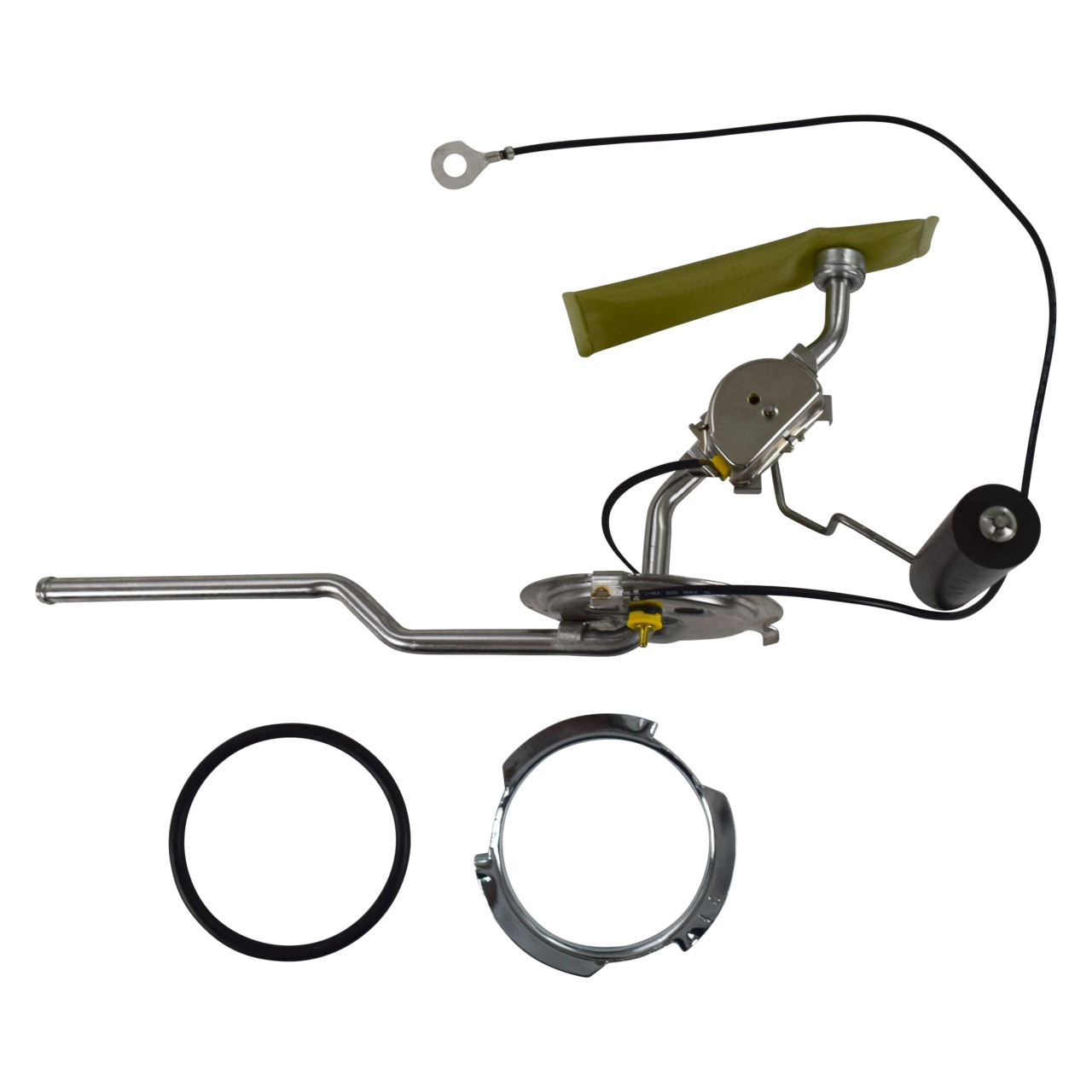
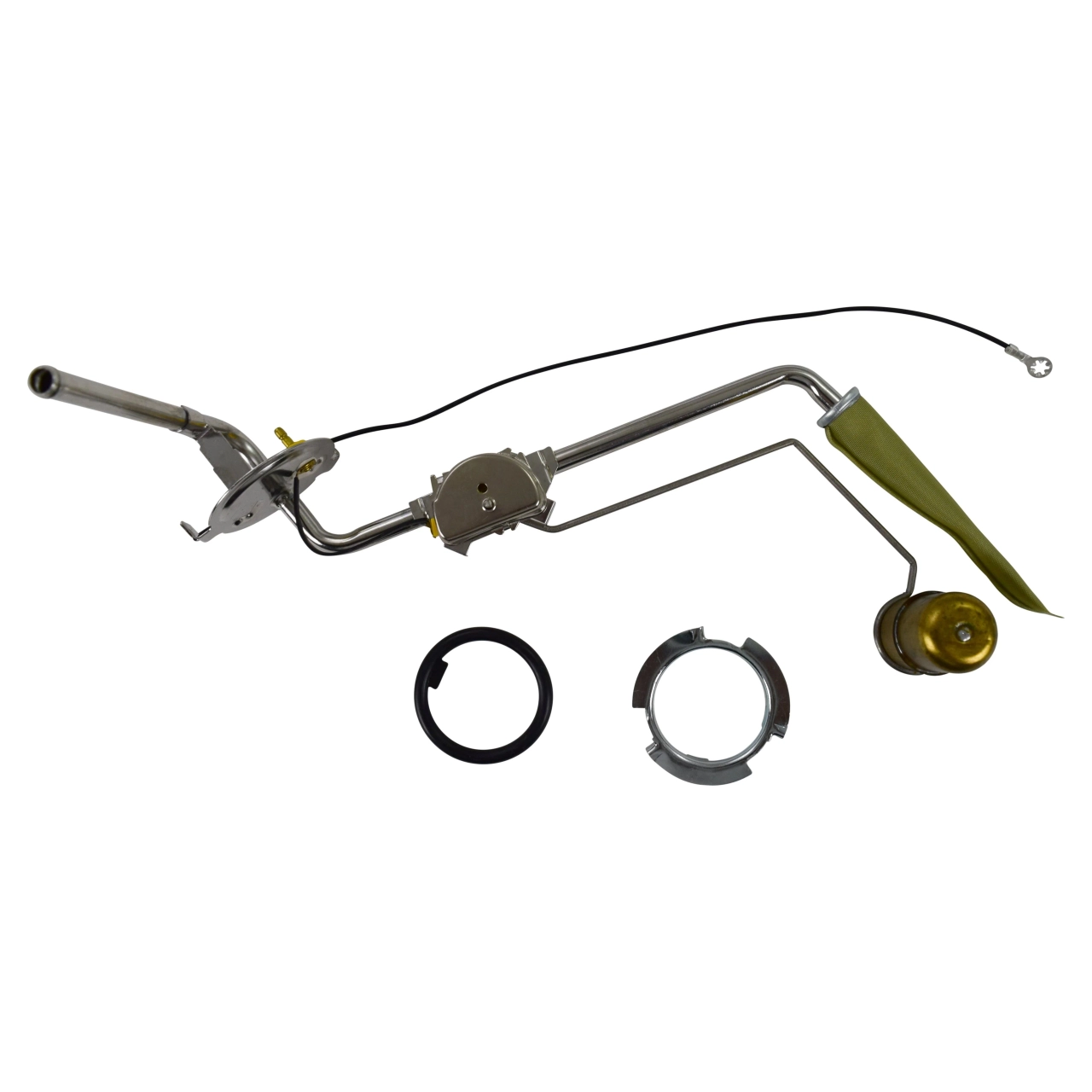
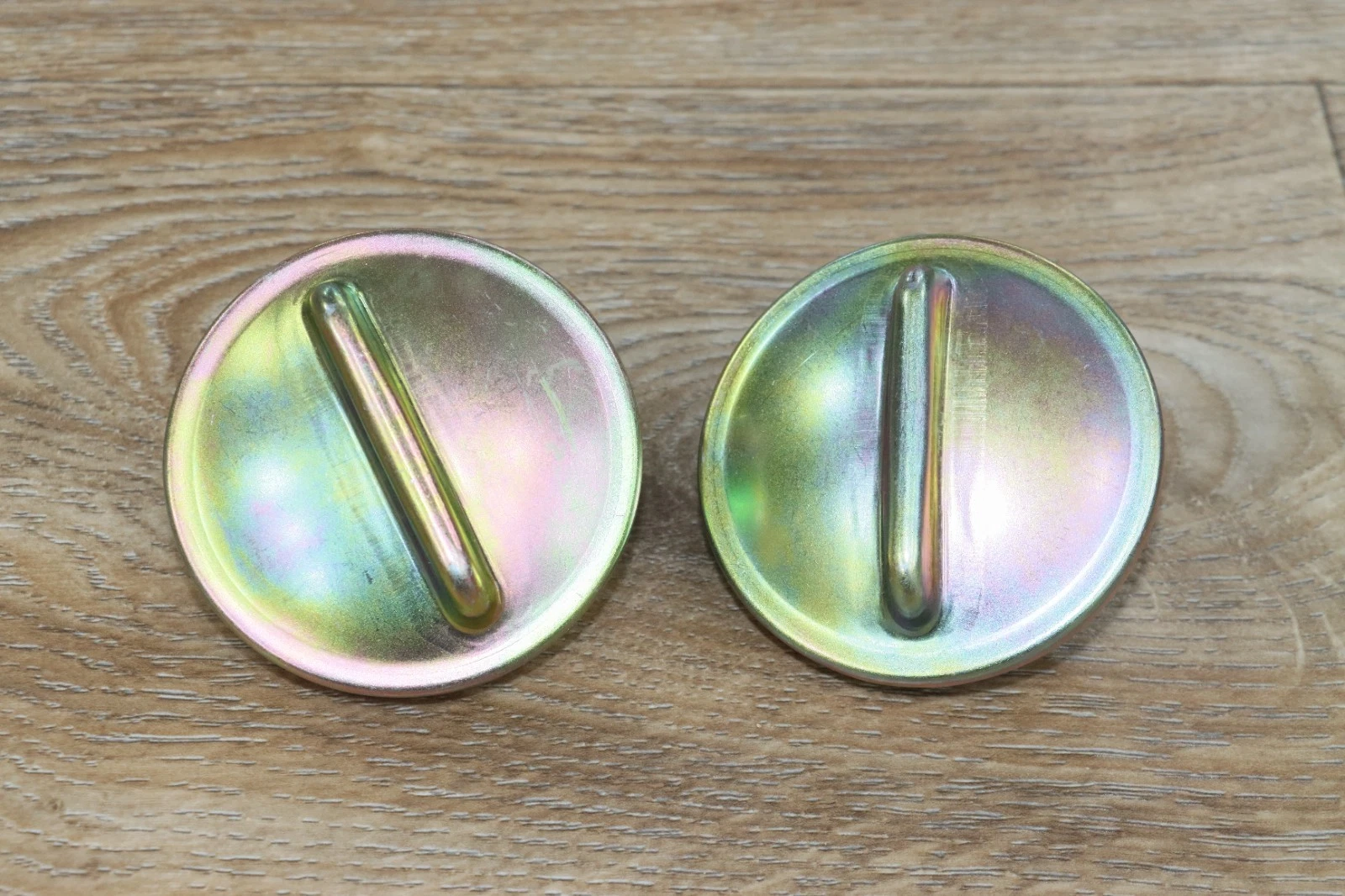
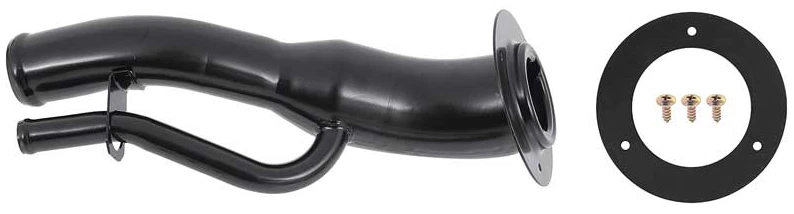
- What is the 1966–1977 Ford Bronco tank filler guard set?
- It is a pair of formed sheet-metal panels designed to protect and restore the body structure around the fuel filler neck on compatible Early Broncos.
- What years does this filler guard set fit?
- It is intended for compatible 1966–1977 Ford Bronco applications.
- Is this for first-generation Broncos?
- Yes. The 1966–1977 Bronco is the first-generation, often called the Early Bronco.
- How many pieces are included?
- A typical set includes two pieces: one front guard and one rear guard.
- What do the front and rear guards do?
- They help form and protect the sheet-metal area surrounding the fuel filler pipe.
- Is this a decorative part?
- No. It is primarily a body restoration and protection component for the filler-neck area.
- Is the set made from steel?
- Yes. Comparable reproduction sets are made from formed stamped steel.
- Is this part suitable for rust repair?
- Yes. It is ideal for replacing filler-area sheet metal damaged by rust, corrosion, or previous body repairs.
- Does this set replace rusted original guards?
- Yes. It is intended to replace damaged, missing, or severely corroded original filler guards.
- Does this fit around the original fuel filler neck?
- Yes, when used with a compatible factory-style filler neck and body configuration.
- Does the fuel filler neck come with the set?
- No. The filler neck should not be assumed to be included.
- Is the fuel cap included?
- No. The fuel cap is normally sold separately.
- Does it include filler hose?
- No. Fuel filler hose is usually a separate service item.
- Does it include seals or grommets?
- Not necessarily. Verify the exact supplier package before assuming seals are included.
- Is mounting hardware included?
- Hardware should not be assumed unless specifically listed by the supplier.
- Does this require welding?
- In most restoration applications, yes. These are body sheet-metal pieces and typically require fitting and welding.
- Should the panels be test-fitted before welding?
- Yes. Always trial-fit both guards before making any permanent welds.
- Can these panels be trimmed if needed?
- Minor trimming or adjustment may be necessary depending on previous body repairs or aftermarket sheet metal.
- Will this fit a Bronco with original quarter panels?
- Yes, provided the surrounding wheelhouse and inner quarter structure remain close to factory dimensions.
- Will it fit with replacement quarter panels?
- Usually, but the contours and mounting points should be checked because reproduction panels can vary slightly.
- Does it attach near the wheelhouse?
- Yes. The filler guard area is associated with the wheelhouse and inner quarter-panel structure.
- Will it work with a stock fuel tank?
- It is intended for factory-style filler configurations, but always verify the filler-neck routing and tank setup.
- Will it fit with an aftermarket fuel tank?
- Possibly, but aftermarket tanks can change filler-neck position and may require modification.
- What if my filler neck has been relocated?
- A relocated filler neck can make the stock-style guards incompatible without custom work.
- Will custom wheel tubs affect fitment?
- Yes. Modified wheel tubs can change the surrounding sheet-metal geometry.
- Can body lifts affect this part?
- A body lift usually does not change the guard itself, but associated filler-neck modifications can affect overall compatibility.
- Is this suitable for a frame-off restoration?
- Yes. It is especially useful when rebuilding the body shell and restoring rusted filler-area sheet metal.
- Is it suitable for a daily-driver restoration?
- Yes. The set is appropriate for both functional repairs and more complete restorations.
- Can I install this before the fuel tank is installed?
- Yes, and doing so may provide better access for body fitting and welding.
- Should the fuel tank be removed before welding nearby?
- Yes. Fuel-system components should be safely removed or isolated before welding due to fire and explosion risk.
- Should the filler hose be removed before installation?
- Yes. Rubber fuel hoses and nearby fuel components should not be exposed to welding heat.
- Should I apply corrosion protection after welding?
- Yes. Protect bare steel and welded areas with appropriate primer, seam sealer, cavity protection, and topcoat.
- Can weld-through primer be used?
- Yes, if compatible with your welding process and restoration procedure.
- Should seams be sealed after installation?
- Yes. Proper seam sealing helps keep moisture and debris from entering repaired areas.
- Can the panels be painted body color?
- Yes. They can be finished to match the restoration once properly prepared and primed.
- Are these panels visible from outside the Bronco?
- They are mainly structural/protective inner body pieces rather than highly visible exterior trim.
- Can damaged filler guards contribute to body rust?
- Yes. Missing or rusted guards can leave nearby sheet metal less protected from moisture, dirt, and road debris.
- Does replacing the guards improve fuel-system safety?
- They help restore the intended surrounding body structure, but they do not replace proper fuel hoses, seals, tank mounting, or leak inspection.
- Should I inspect the filler neck while replacing the guards?
- Yes. Check for rust, cracks, dents, loose mounting, and deteriorated filler hose.
- Should I inspect the fuel tank at the same time?
- Yes. Restoration access makes it a good opportunity to check the tank, straps, hoses, and vent lines.
- What is the estimated shipping weight?
- The two-piece steel set is estimated at roughly 3–5 lb, depending on gauge and packaging.
- What shipping weight should I use for the listing?
- 6 lb (2.7 kg) is a practical packaged listing weight unless the supplier provides an exact boxed weight.
- What should I verify before ordering?
- Confirm the 1966–1977 Ford Bronco application, filler-neck location, wheelhouse and inner quarter-panel condition, fuel-tank configuration, and any previous body or fuel-system modifications.