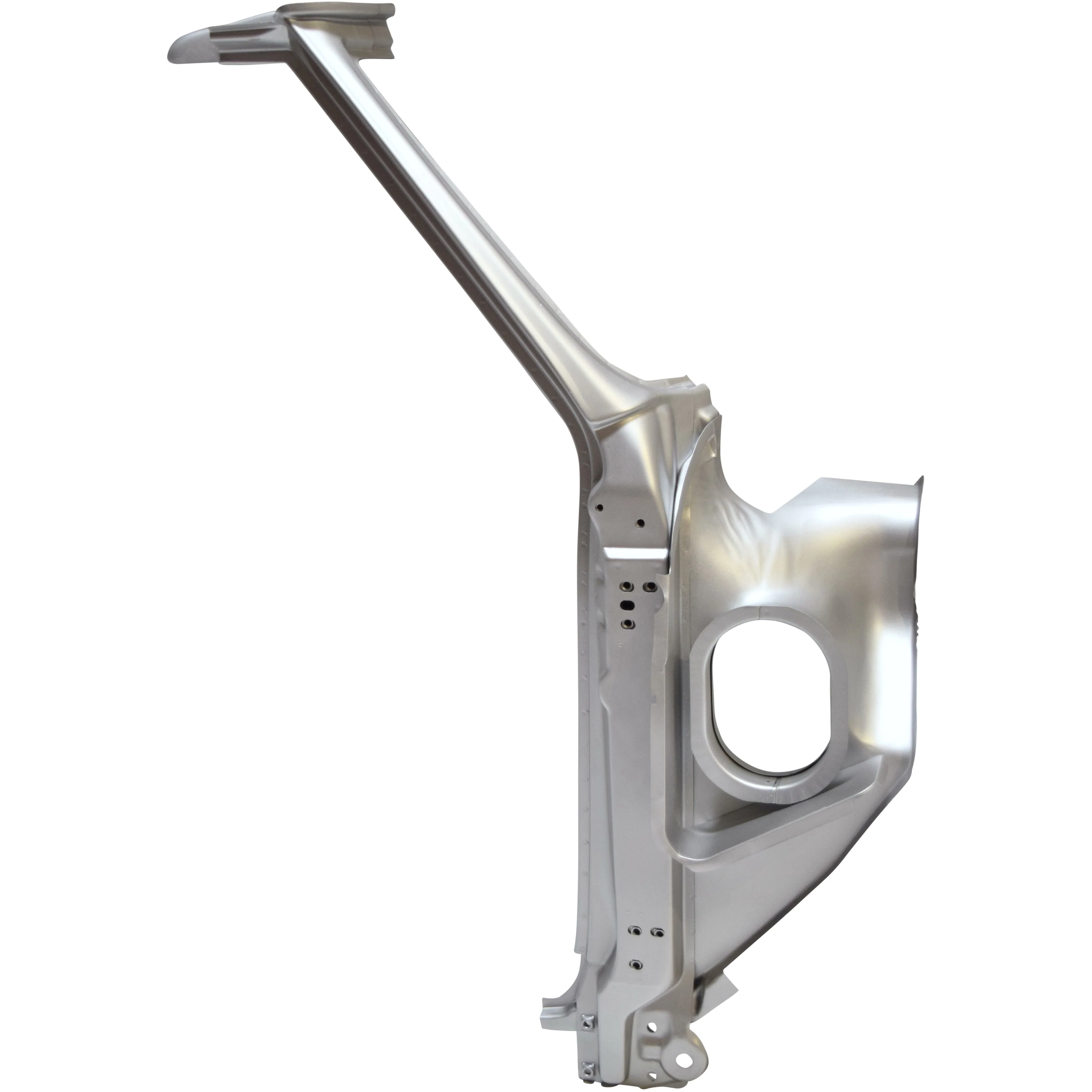
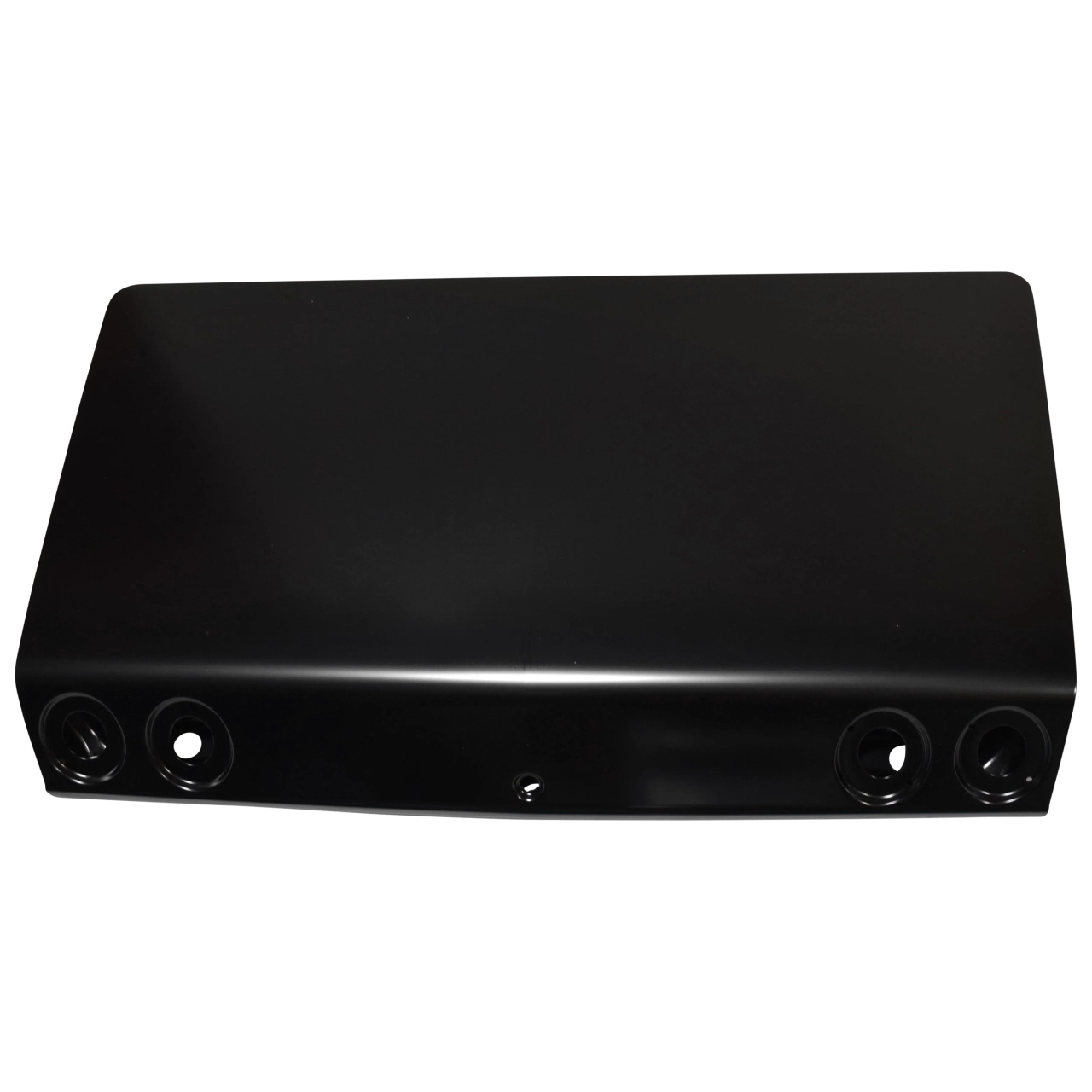
- What does this A-pillar/cowl shoulder assembly fit?
- It is designed for compatible 1967–1972 Chevrolet and GMC C/K pickup trucks.
- Is this for the right or left side?
- This is the RH / right-hand / passenger-side assembly.
- What area of the truck does this panel replace?
- It replaces the passenger-side A-pillar, cowl shoulder, door hinge mounting area, and part of the windshield-side cab structure.
- Will it fit a 1967 Chevy C10?
- Yes, for compatible 1967 C10 pickup cab applications.
- Will it fit a 1972 Chevy C10?
- Yes, for compatible 1972 C10 pickup cab applications.
- Does it fit C20 and K10 trucks?
- It can fit compatible C20, K10, and related Chevrolet/GMC C/K pickup cabs within the 1967–1972 model range.
- Does it fit GMC pickups too?
- Yes, it is suitable for compatible GMC C/K-series pickup cabs that share the same body structure.
- Is this a bolt-on panel?
- No. This is a weld-in structural body panel.
- Is professional installation recommended?
- Yes. Proper measuring, alignment, cutting, welding, and corrosion protection are important because this panel is part of the cab structure.
- What material is it made from?
- It is typically made from formed steel for body restoration and structural repair.
- Is this panel good for rust repair?
- Yes. It is intended for replacing heavily rusted or weakened metal around the passenger-side A-pillar and cowl area.
- Can it be used after collision damage?
- Yes, provided the surrounding cab structure can be properly measured and realigned before installation.
- Does it include the door hinge mounting area?
- Yes. The assembly covers the passenger-side hinge mounting section.
- Can this help fix a sagging passenger door?
- If door sag is caused by rust or structural damage in the hinge pillar area, replacing the damaged section may help restore a solid mounting point. Hinges and alignment should also be inspected.
- Does this panel include the rocker panel?
- No. The rocker panel is a separate body section unless specifically included in a larger kit.
- Does it include the floor pan?
- No. Floor pan sections are normally sold separately.
- Does it include the windshield frame?
- It replaces part of the windshield-side structure, but it is not a complete windshield frame assembly.
- Will I need to remove the windshield?
- In many restoration jobs, windshield removal may be necessary or strongly recommended to safely access, align, and weld the surrounding structure.
- Will I need to remove the passenger door?
- Usually, yes. Removing the door makes it easier to access the hinge area and correctly align the replacement panel.
- Should the door be test-fitted before final welding?
- Yes. The door, windshield opening, fender, and surrounding panels should be checked before completing final welds.
- Can I install this panel over rusted metal?
- No. Severely rusted or weakened metal should be removed so the replacement can be welded to sound surrounding structure.
- Does it come painted?
- Finish varies by supplier. Many replacement body panels are supplied with a protective primer or coating rather than a final painted finish.
- Does it need primer after installation?
- Yes. Weld areas and exposed steel should receive proper primer, seam sealer, cavity protection, and paint after installation.
- Is seam sealer required?
- Yes, seam sealer is commonly used after welding to help prevent moisture intrusion in body seams.
- Is weld-through primer recommended?
- Yes. Weld-through primer is often used on overlapping metal surfaces that will become inaccessible after welding.
- Does the panel include mounting hardware?
- Hardware is generally not required in the same way as a bolt-on part because this is mainly a weld-in panel. Any related fasteners should be verified separately.
- Is the panel shaped specifically for the passenger side?
- Yes. RH and LH versions are side-specific and are not interchangeable.
- Can I use the RH panel on the driver side?
- No. The contours, hinge location, and structural shape differ between the right and left sides.
- Is this a universal repair panel?
- No. It is formed specifically for compatible 1967–1972 Chevrolet and GMC C/K pickup cab geometry.
- What other parts should I inspect before installation?
- Inspect the rocker panel, kick panel, floor pan, cowl, roof pillar, windshield channel, hinge area, and nearby inner cab structure for hidden rust or collision damage.
- What should I verify before ordering?
- Confirm the 1967–1972 model year, Chevrolet/GMC C/K pickup body, RH passenger-side orientation, cab style, hinge configuration, windshield opening, and surrounding sheet-metal condition before purchase.