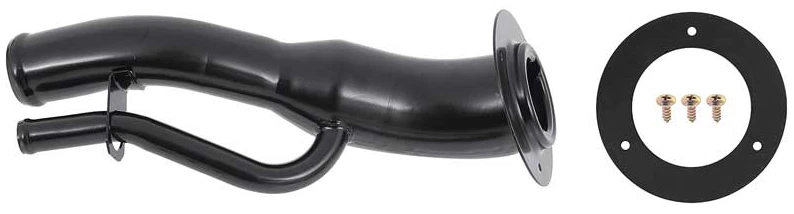
- What is this product?
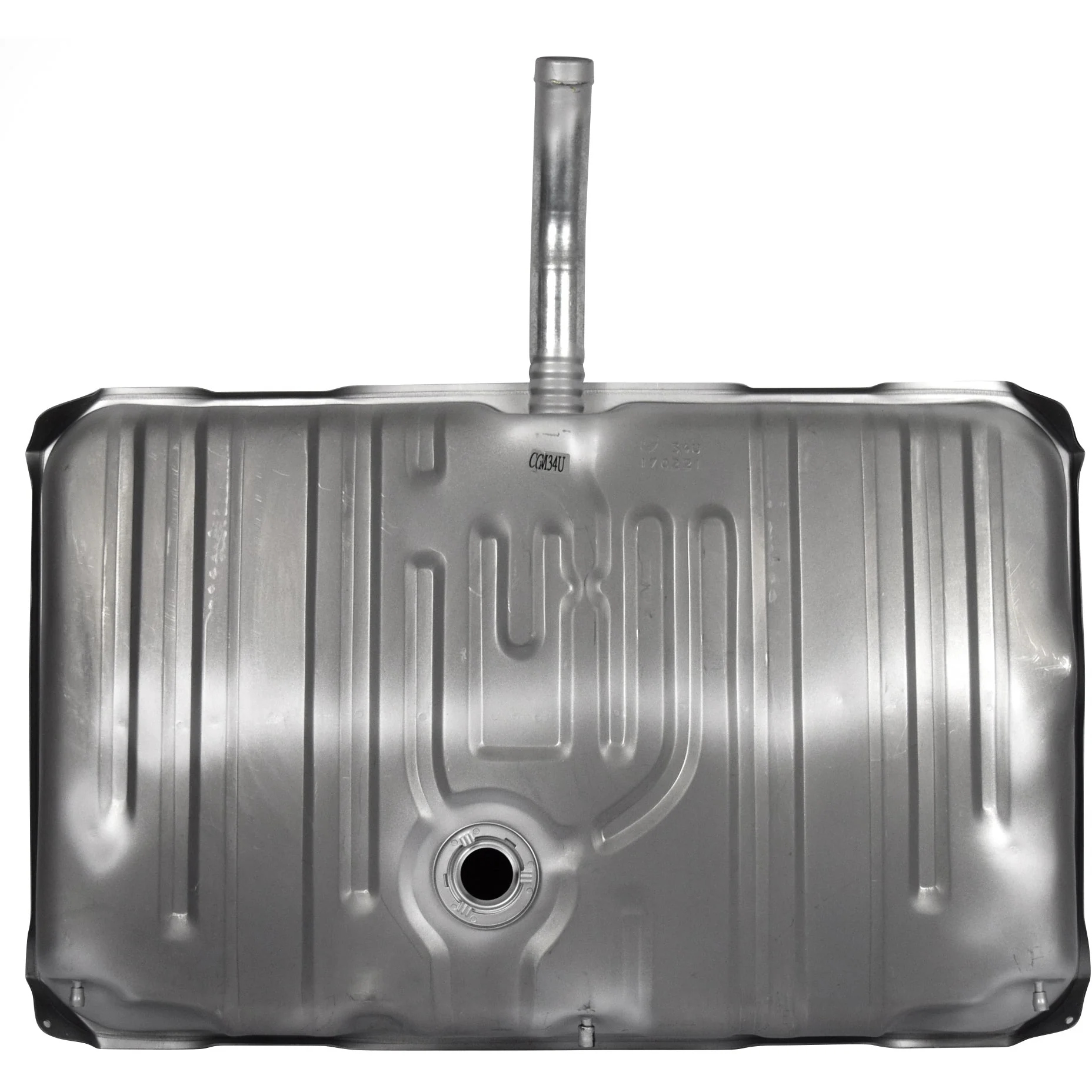
- It is a replacement fuel tank for compatible 1971–1972 Chevrolet Chevelle applications.
- Does it include the filler neck?
- Yes. This version is designed with the correct filler-neck configuration.
- What does EEC mean in this listing?
- It refers to an evaporative-emissions control configuration used on compatible vehicles.
- How many vent pipes does this tank have?
- It has a 3-vent-pipe arrangement.
- What model years does it fit?
- It is intended for compatible 1971 and 1972 Chevy Chevelle models.
- Where does the tank install?
- It mounts in the rear underbody area.
- Should the tank be cleaned before installation?
- Yes, remove any packaging debris or manufacturing residue as recommended.
- Should I rinse the inside with water?
- Not unless the manufacturer specifically recommends it.
- Should compressed air be used?
- Only if done safely and according to manufacturer guidance.
- Why replace an old fuel tank?
- Common reasons include rust, leaks, internal contamination, damaged vents, or a corroded filler neck.
- Can a leaking tank be repaired instead of replaced?
- Sometimes, but replacement is often safer when corrosion is extensive.
- Should a badly rusted tank be reused?
- Generally no.
- Does the tank need to be pressure tested before installation?
- Some suppliers test tanks during manufacturing, but inspection before installation is still recommended.
- What damage should I look for?
- Dents, crushed corners, bent filler necks, damaged vent pipes, or distorted mounting surfaces.
- Can a dented tank still be used?
- Minor cosmetic dents may be acceptable, but structural or fitting damage should be evaluated.
- Should mounting straps be replaced?
- Replace them if they are rusty, stretched, or damaged.
- Should all old rubber components be replaced when using ethanol fuel?
- Replace any components that are not ethanol-compatible.
- Can installation be done at home?
- Yes, if proper lifting and fuel-safety procedures are followed.
- Is professional installation recommended?
- It is recommended if you are not experienced with fuel systems.
- Should fuel vapors be kept away from sparks and flames?
- Absolutely.
- Can the tank be welded after it has contained fuel?
- Not without specialized professional preparation because fuel vapors can explode.
- What is the estimated product weight?
- Approximately 22–30 lb depending on construction.
- What shipping weight should I use?
- A practical estimated packaged weight is about 35 lb.
- What should I verify before ordering?
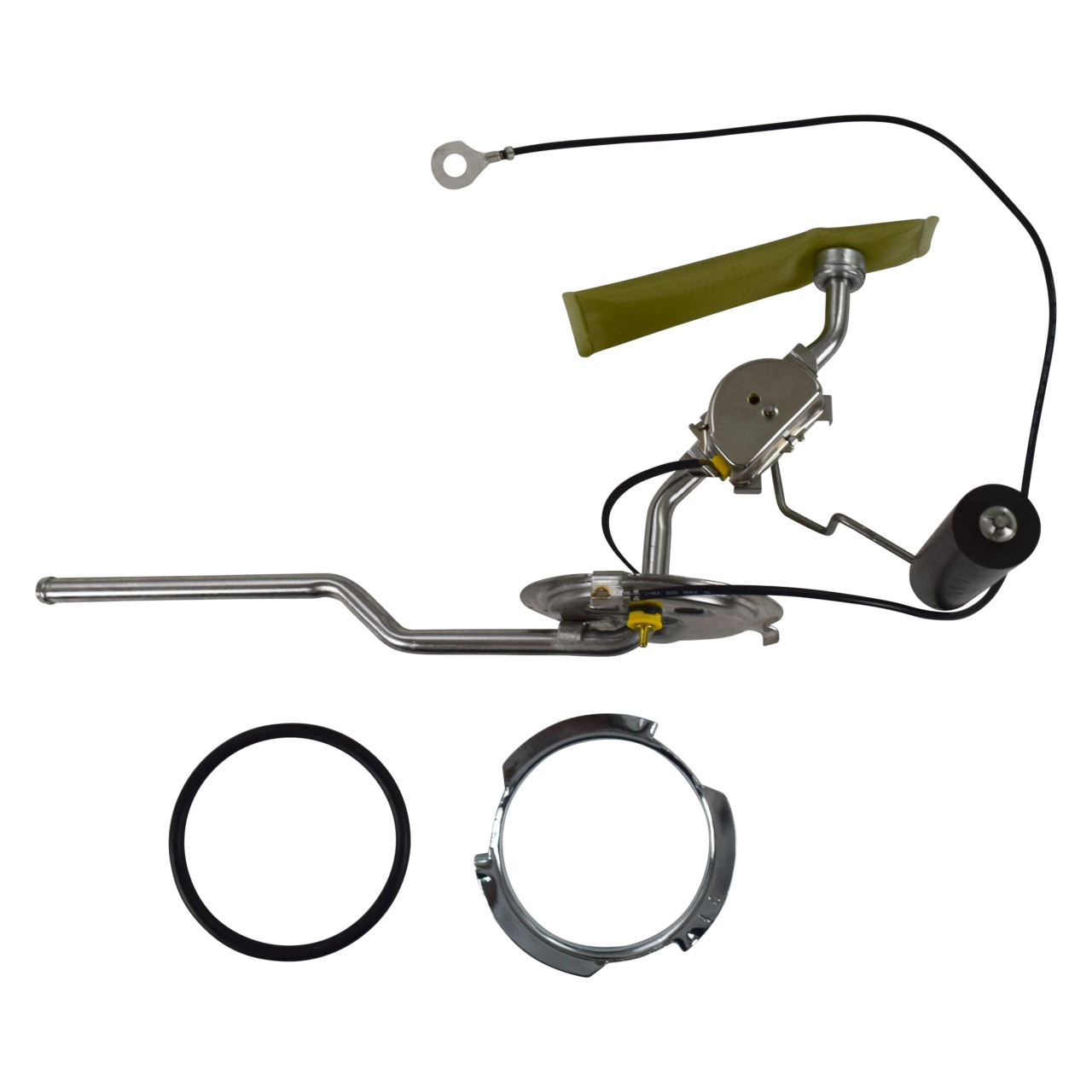
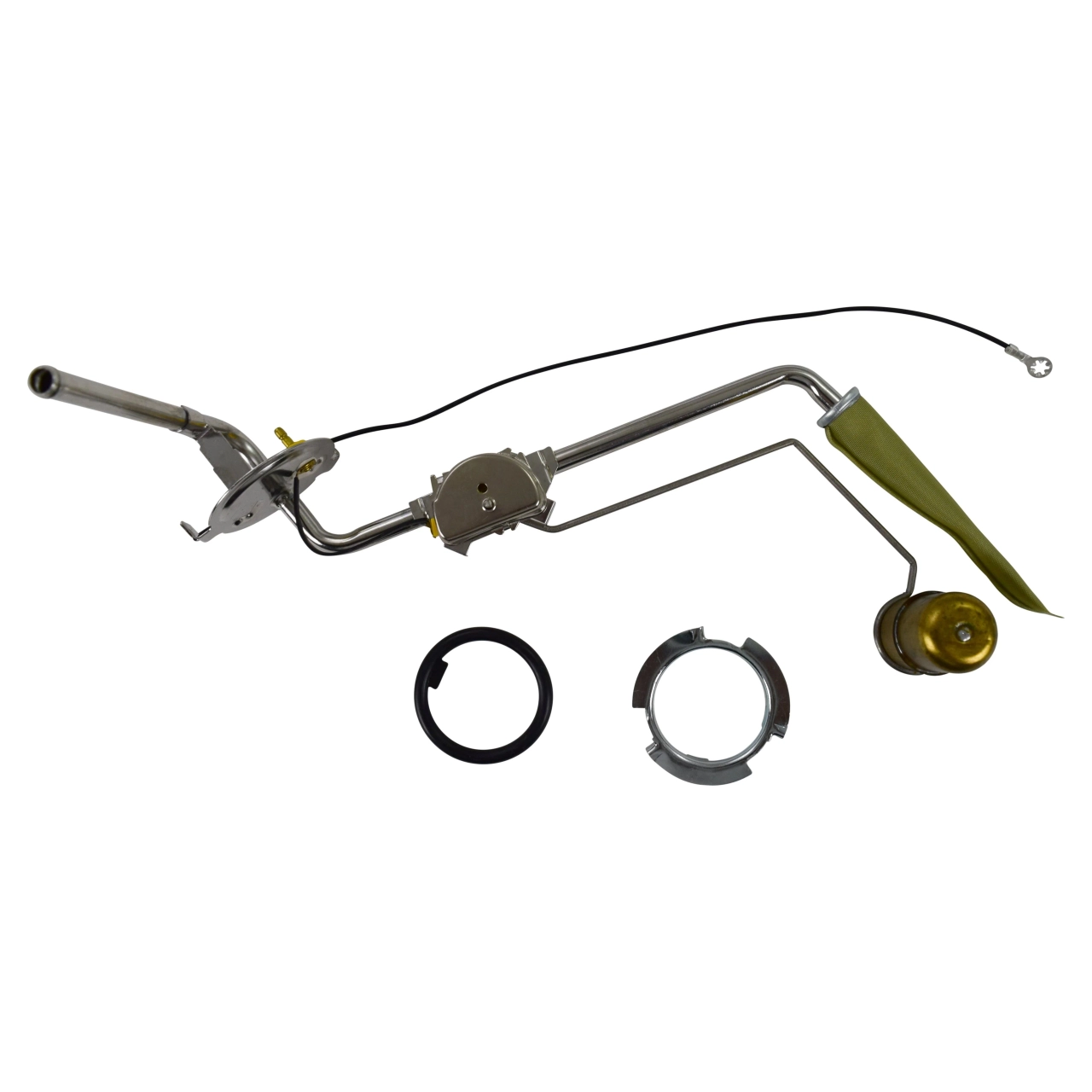
- Confirm the 1971–1972 Chevrolet Chevelle model year, EEC configuration, 3-vent-pipe layout, filler-neck style, sender opening, tank dimensions, strap locations, vent routing, exhaust clearance, and included components before purchase.