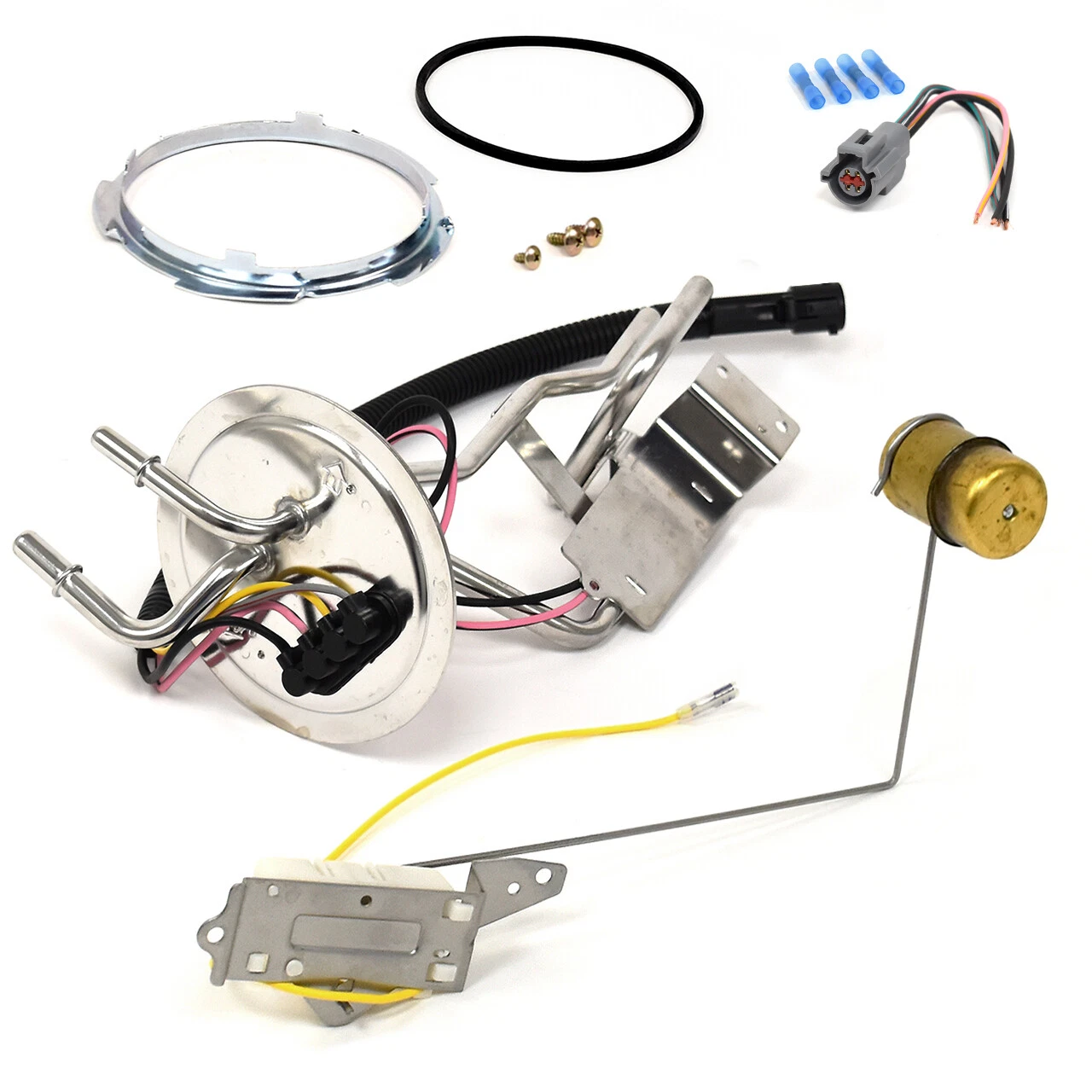
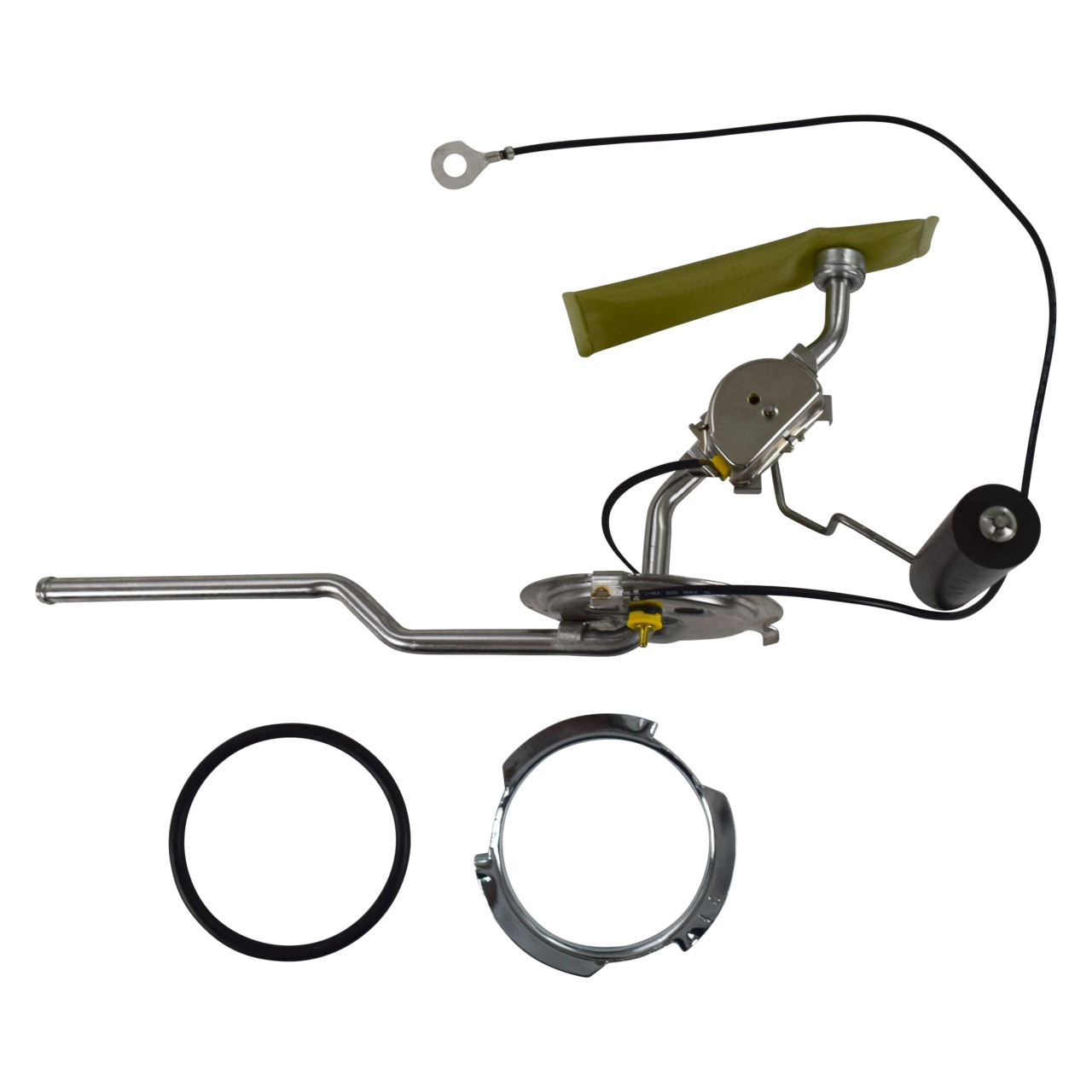
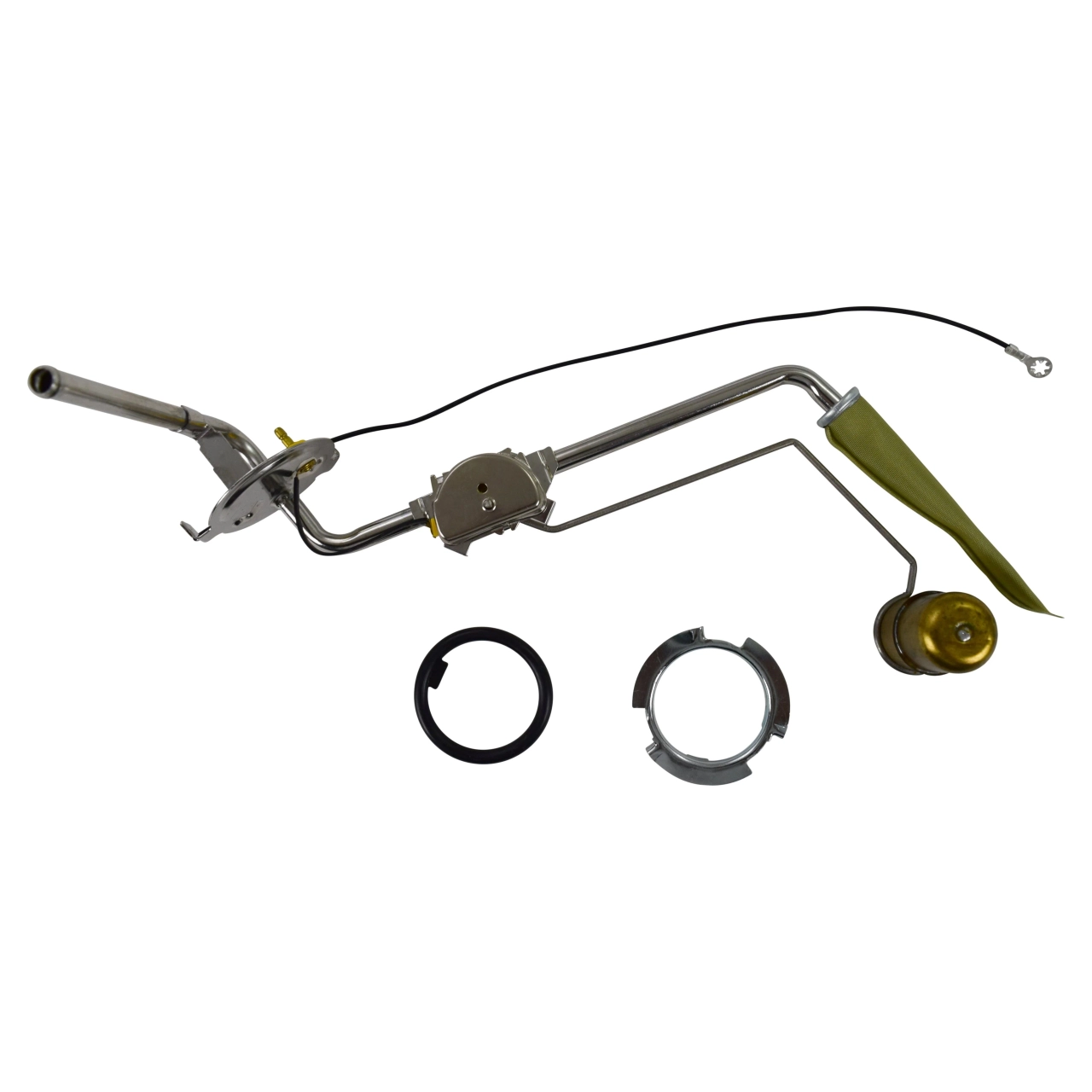
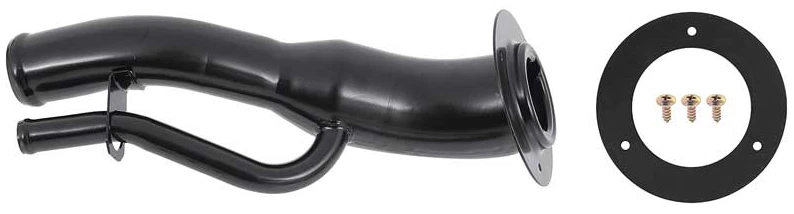
- What is this 1990–1996 Ford Bronco EFI fuel sending unit kit?
- It is an in-tank fuel sender and hanger assembly designed for compatible 1990–1996 Ford Bronco EFI models with a 33-gallon fuel tank.
- What years does this kit fit?
- It is intended for compatible 1990–1996 Ford Bronco applications.
- Is this kit for EFI Broncos?
- Yes. It is designed for electronic fuel injection systems.
- What fuel tank size does it fit?
- It is intended for a 33-gallon fuel tank.
- What size is the fuel supply tube?
- The supply tube is 3/8 inch.
- Is the supply tube stainless steel?
- Yes. The hanger uses a stainless-steel fuel supply tube for improved corrosion resistance.
- Does the kit include the fuel pump?
- No. The fuel pump is not included.
- Can I reuse my existing fuel pump?
- Yes, if the pump is compatible, in good condition, and matches the hanger and EFI system requirements.
- Can I install a new pump with this sending unit?
- Yes. A compatible EFI in-tank pump can be installed separately.
- What is included in the kit?
- A typical package includes the fuel pump hanger, fuel-level sender and float, wiring pigtail, lock ring, and tank gasket.
- Does it include the float arm?
- Yes. The fuel-level float assembly is included.
- Does it include a lock ring?
- Yes. A lock ring is included in the typical kit.
- Is a tank gasket included?
- Yes. The kit includes a gasket for sealing the sender at the tank opening.
- Does it include a wiring pigtail?
- Yes. A wiring pigtail is included for the electrical connection.
- Why is the wiring pigtail important?
- It helps adapt the sender connection where connector styles differ between model years or previous repairs.
- Will it work on 1990–1994 Broncos?
- Yes, on compatible applications, but the supplied pigtail may need to be used for the connector arrangement.
- Will it work on 1995–1996 Broncos?
- It is intended for compatible 1995–1996 models as well, but the existing connector should still be compared before installation.
- Does this kit control the fuel gauge?
- Yes. The sending unit and float provide the fuel-level signal used by the dashboard gauge.
- Can a bad sending unit cause an inaccurate fuel gauge?
- Yes. A worn resistor, stuck float, damaged wiring, or corroded sender can cause incorrect fuel-level readings.
- Can a bad sender make the gauge stay on empty?
- Yes. Electrical faults or a failed sender can cause the gauge to remain at empty.
- Can a bad sender make the gauge stay on full?
- Yes. A sender or wiring fault can also cause a constantly full reading.
- Can the float become stuck?
- Yes. Corrosion, tank debris, or mechanical damage can restrict float movement.
- Is this the same as a fuel pump assembly?
- Not exactly. This kit provides the hanger and sender hardware, but the actual fuel pump is sold separately.
- Does it fit carbureted Broncos?
- No direct fit should be assumed. This kit is intended for EFI fuel-system configurations.
- Will it fit a smaller fuel tank?
- No. It is designed for the 33-gallon tank, so sender depth and float travel may not match a smaller tank.
- Will it fit an aftermarket 33-gallon tank?
- Possibly, but the tank opening, depth, lock-ring style, and sender clearance should be verified.
- Can it be used with a custom fuel system?
- Possibly, but custom pumps, return systems, fuel lines, and wiring can require additional modification.
- Is the 3/8-inch line the fuel supply line?
- Yes. The 3/8-inch tube is intended as the primary fuel supply path on compatible EFI applications.
- Why use stainless steel for the hanger tube?
- Stainless steel helps resist corrosion from moisture and long-term fuel-system exposure.
- Should I replace the gasket during installation?
- Yes. Always use a fresh sealing gasket when installing the sending unit.
- Can I reuse the old lock ring?
- It is better to use the new lock ring if supplied and compatible.
- Should the fuel tank be cleaned before installing the new sender?
- Yes. Remove rust, dirt, water, and loose debris that could damage the pump or sender.
- Should I inspect the tank for rust?
- Yes. Severe internal corrosion can shorten the life of a new sending unit and fuel pump.
- Does the tank need to be removed for installation?
- In many cases, lowering or removing the tank provides the safest and easiest access to the sending unit.
- Should the battery be disconnected first?
- Yes. Disconnect the battery and follow proper fuel-system safety procedures before working around gasoline.
- Can I install this with fuel still in the tank?
- It is much safer to drain or substantially reduce the fuel level before removing the sender.
- Should I replace the fuel filter at the same time?
- It can be a good idea, especially if the tank contained contamination or the existing filter is old.
- Can this fix fuel-delivery problems?
- It can fix problems related to a damaged hanger or sender, but low pressure from a weak fuel pump requires pump diagnosis or replacement.
- Does this kit regulate fuel pressure?
- No. Fuel pressure is controlled by the pump and fuel-pressure regulator, not by the sending unit.
- Does it include the fuel-pressure regulator?
- No. The regulator is separate.
- Does it include external fuel lines?
- No. External supply and return lines are not normally included.
- What is the estimated shipping weight?
- The complete sender kit is lightweight. A practical packaged estimate is around 3 lb (1.36 kg).
- What should I verify before ordering?
- Confirm the 1990–1996 Ford Bronco application, EFI system, 33-gallon tank, 3/8-inch supply line, tank opening, connector style, and fuel-pump compatibility before purchase.
- What makes this kit a good restoration part?
- It replaces the in-tank sender, hanger, float, seal, and related hardware together while retaining a factory-style EFI layout for the 33-gallon Bronco tank.