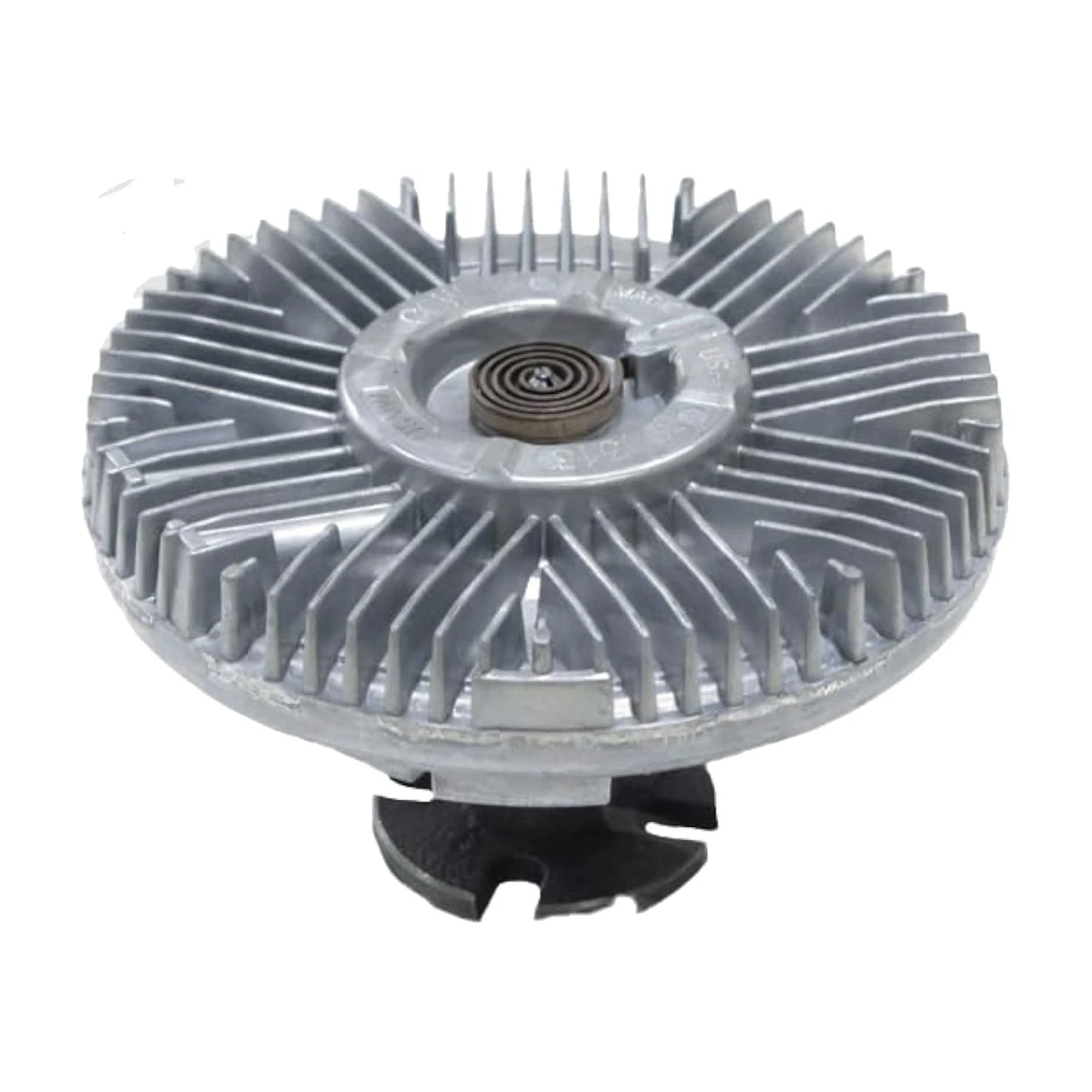
- What does the engine cooling fan clutch do?
- It controls how strongly the mechanical cooling fan engages. As engine and radiator temperatures rise, the clutch increases fan engagement to move more air through the radiator.
- What vehicles does this fan clutch fit?
- It is intended for compatible 1988–1996 Ford Bronco applications using the factory-style mechanical cooling fan system.
- What is the part number for this fan clutch?
- The Global Parts Distributors part number is 2911275.
- Is this a thermal fan clutch?
- Yes. It is a thermal-style fan clutch designed to respond to temperature changes.
- Does it fit all 1988–1996 Ford Broncos?
- Not automatically. Exact fitment depends on model year, engine size, fan mounting pattern, and cooling-system configuration.
- Does it fit the 5.0L V8 Bronco?
- It may fit compatible 5.0L applications, but engine and OE cross-reference verification is recommended before ordering.
- Does it fit the 5.8L V8 Bronco?
- It may fit compatible 5.8L applications, but confirm the original fan-clutch specification for your exact year and engine.
- Will it fit a Bronco with an engine swap?
- Not necessarily. Engine swaps can change the water pump, fan, spacing, rotation, and mounting requirements.
- Does this fan clutch work with electric fans?
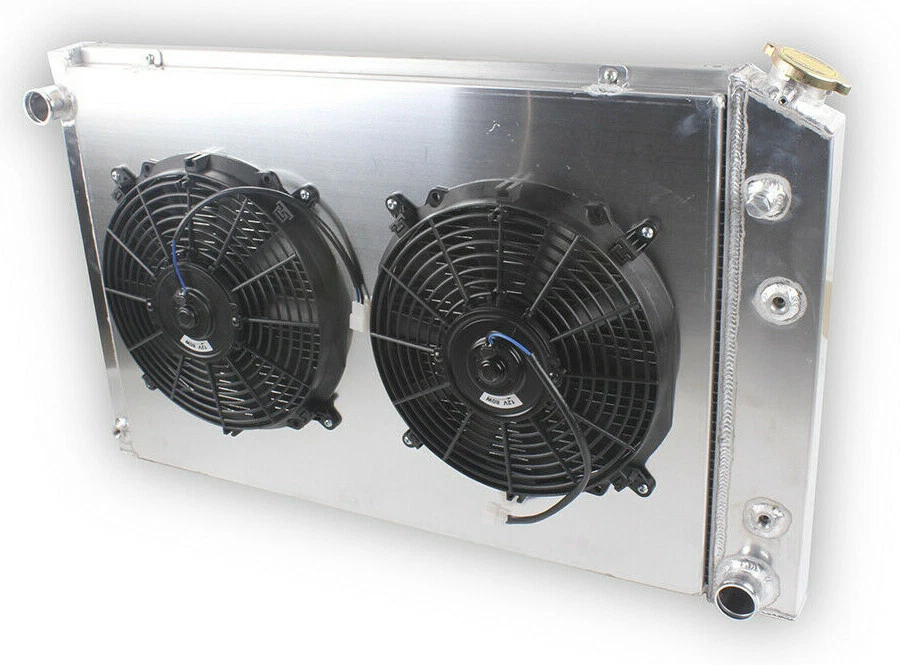
- No. It is intended for mechanical fan systems, not electric-fan conversions.
- Does the cooling fan come with the clutch?
- No. The fan blade itself should not be assumed to be included.
- Is the fan shroud included?
- No. The fan shroud is normally a separate component.
- Is the water pump included?
- No. This listing is for the fan clutch only unless otherwise specified.
- Are mounting bolts included?
- Hardware should not be assumed unless specifically listed by the supplier.
- What are signs of a bad fan clutch?
- Common symptoms include overheating at low speed, excessive fan noise, weak airflow, constant roaring, or a fan that does not engage properly when the engine is hot.
- Can a bad fan clutch cause overheating?
- Yes. If the clutch does not engage when needed, radiator airflow may be insufficient, especially at idle or low road speeds.
- Can a bad fan clutch cause excessive fan noise?
- Yes. A clutch that stays locked can make the fan roar even when extra cooling is not required.
- Can a faulty fan clutch reduce fuel economy?
- A constantly engaged fan can increase engine drag, which may slightly reduce efficiency.
- Can a failed fan clutch damage the engine?
- Indirectly, yes. If poor fan engagement contributes to overheating, prolonged high temperatures can damage engine components.
- Can a worn fan clutch affect air conditioning performance?
- Yes. Low airflow through the condenser at idle can reduce A/C cooling performance.
- Why does the fan clutch matter more at idle?
- At highway speed, natural airflow passes through the radiator. At idle, the mechanical fan becomes much more important for moving cooling air.
- How does a thermal fan clutch know when to engage?
- It responds to heat near the radiator and adjusts internal clutch engagement accordingly.
- Is the fan clutch supposed to spin freely when cold?
- Some resistance is normal. It should not behave exactly like a fully locked fan or spin completely without resistance.
- Should the fan become louder when the engine is hot?
- Yes. Increased fan noise can be normal when the clutch engages more strongly during high-temperature operation.
- Is constant loud fan noise normal?
- No. Constant roaring after warm-up can indicate that the clutch is stuck engaged.
- Is no fan noise when hot a problem?
- It can be. If the engine is hot and the fan never seems to engage, the clutch may be weak or faulty.
- Can I replace only the clutch and reuse my existing fan blade?
- Yes, provided the fan blade is in good condition and the mounting pattern matches.
- Should I inspect the fan blade during replacement?
- Yes. Check for cracks, bent blades, damaged mounting holes, or excessive corrosion.
- Should I inspect the water pump while the clutch is removed?
- Yes. Check the water-pump shaft for play, noise, leaks, or roughness.
- Do I need to remove the radiator to replace the fan clutch?
- Usually not, but access varies by engine and vehicle configuration.
- Do I need a special fan-clutch tool?
- Some Bronco applications may require a fan-clutch wrench or holding tool depending on the mounting design.
- Is fan rotation important?
- Yes. The fan clutch and fan must match the correct rotation and mounting arrangement for the engine.
- Can the wrong fan clutch cause cooling problems?
- Yes. Incorrect rotation, spacing, engagement characteristics, or mounting can reduce cooling performance.
- Will this fit with an aftermarket aluminum radiator?
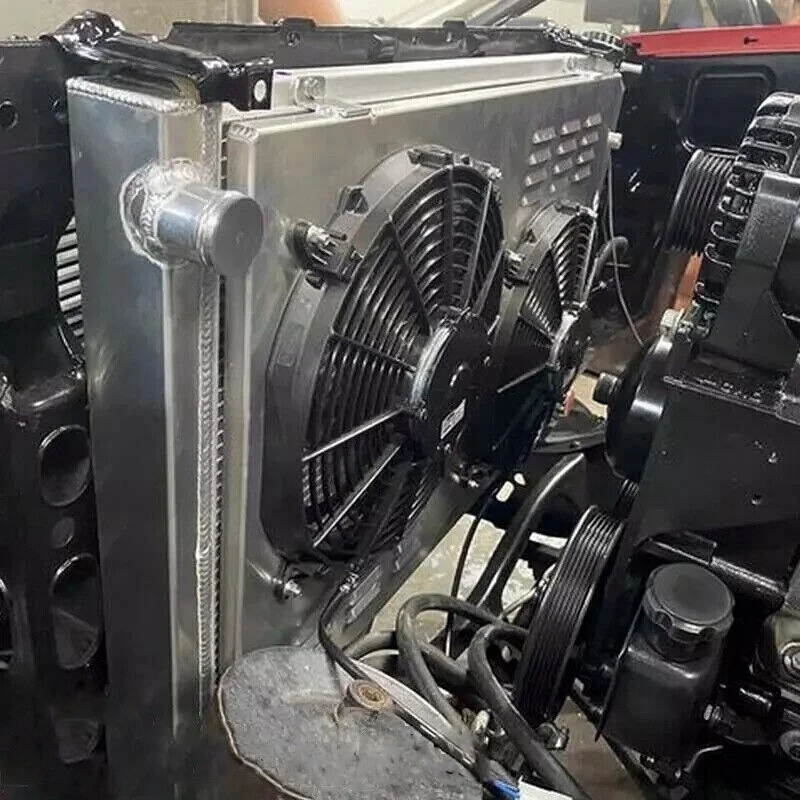
- Possibly, but verify fan-to-radiator clearance and the rest of the cooling-system geometry.
- Will it fit with a custom fan shroud?
- Possibly. Confirm that the fan remains properly positioned within the shroud.
- Does fan spacing matter?
- Yes. Improper spacing can reduce airflow efficiency or create contact with the radiator or shroud.
- Is this suitable for restoration projects?
- Yes. It is a practical replacement for Broncos retaining a factory-style mechanical cooling system.
- Is this suitable for daily-driven Broncos?
- Yes, when it matches the correct vehicle and engine application.
- Is it suitable for towing or hot-weather driving?
- Yes. A properly operating thermal fan clutch is especially important under higher cooling loads.
- What is the estimated product weight?
- A comparable Bronco fan clutch is around 5–6 lb.
- What shipping weight should I use for the listing?
- 7 lb (3.2 kg) is a practical packaged listing weight unless the exact supplier weight is available.
- What should I verify before ordering?
- Confirm the 1988–1996 Bronco model year, engine size, OE fan-clutch number, mounting pattern, fan rotation, fan blade, water-pump configuration, and whether the truck still uses the factory mechanical fan system