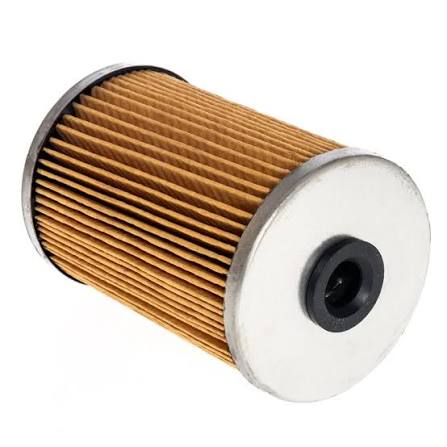
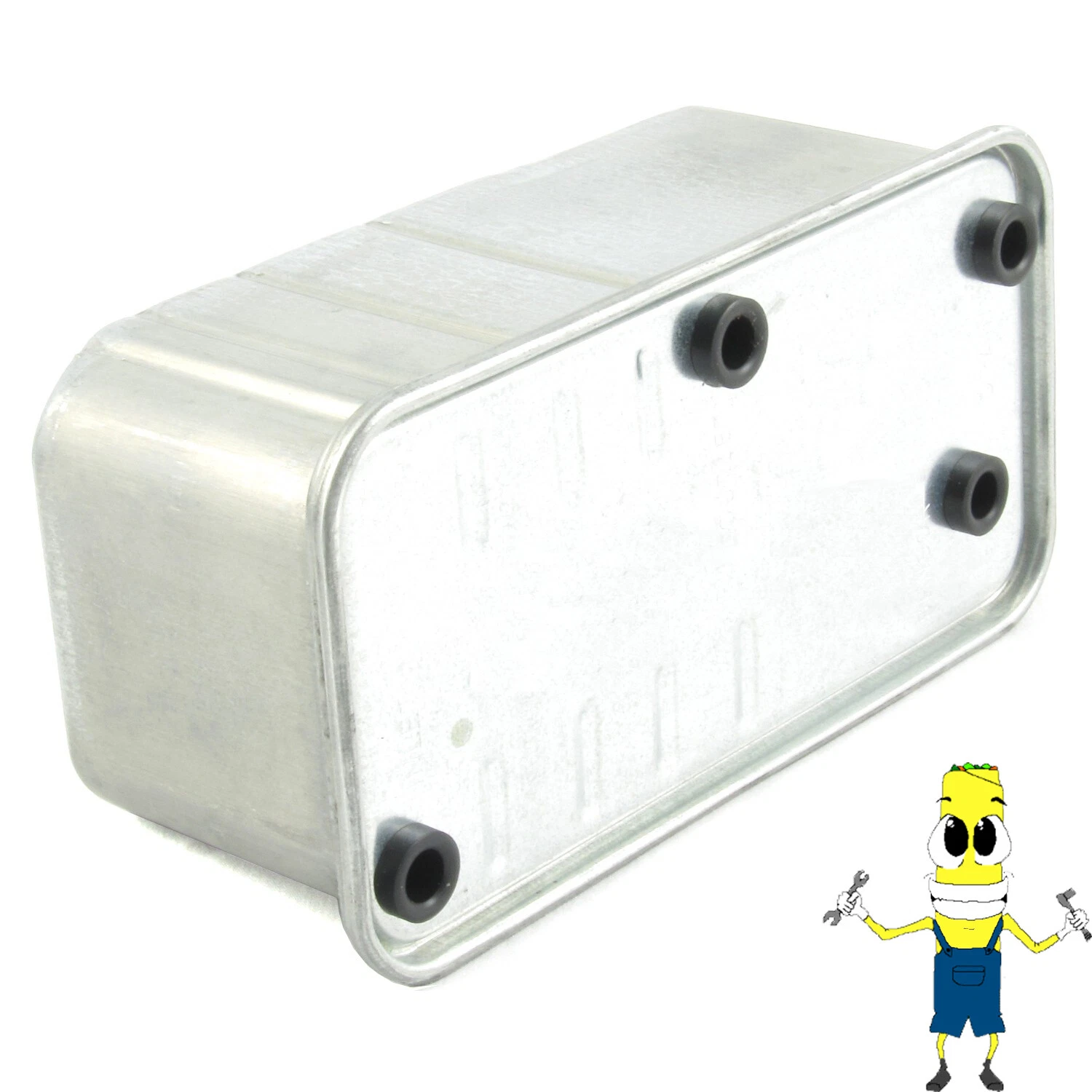
- What is this product?
- It is a gold-finish inline fuel filter intended for compatible 1960–1986 Chevrolet C10 pickup fuel-system applications.
- What vehicles is it designed for?
- It is intended for selected 1960–1986 Chevy C10 pickups, especially trucks using compatible carbureted or custom inline fuel-line setups.
- Will it fit every 1960–1986 C10?
- No. Fitment depends on fuel-line size, connection type, fuel pressure, engine setup, and whether the truck still uses its original-style fuel system.
- Is this filter for carbureted engines?
- It is best suited to compatible carbureted fuel systems and other low-pressure inline applications.
- Can I use it on an EFI conversion?
- Only if the filter is specifically rated for the pressure and flow requirements of your EFI system. Many fuel-injected systems require a different high-pressure filter.
- What does the fuel filter do?
- It helps capture rust, dirt, sediment, and other contaminants before they reach the carburetor or downstream fuel components.
- Where is it installed?
- It installs inline with the fuel hose or fuel line, typically in the engine bay or another safe serviceable location.
- Does it have a flow direction?
- Many inline filters are directional. If an arrow is present on the housing, install it pointing toward the carburetor or engine.
- What does the gold finish do?
- The gold finish gives the filter a clean vintage-inspired appearance and can complement a restored classic truck engine bay.
- Is the gold finish related to filtration performance?
- No. Filtration performance depends on the internal filter media and specifications, not the exterior color.
- Is this an OEM Chevrolet part?
- Unless specifically documented by the supplier, it should be treated as an aftermarket replacement rather than genuine OEM Chevrolet.
- Does it fit a Chevy C10 with a small-block V8?
- It may, provided the fuel-line diameter, connection style, and fuel-system pressure match the filter.
- Will it work with a six-cylinder C10?
- It can work with compatible inline fuel systems, but fitment should be based on the actual fuel-line setup rather than engine size alone.
- Can it be used with an electric fuel pump?
- Possibly, but confirm that the filter is rated for the pump’s pressure and flow requirements.
- Can it be used with a mechanical fuel pump?
- Yes, in many compatible carbureted applications, provided the line size and operating pressure are appropriate.
- What fuel-line size does it fit?
- The exact inlet and outlet size should be confirmed from the product or supplier before ordering.
- Are hose-barb fittings included?
- The filter may have integrated ends depending on the design, but additional adapters or fittings should not be assumed unless specifically listed.
- Are fuel hoses included?
- No. Fuel hose is not included unless specifically stated.
- Are hose clamps included?
- No. Clamps should be treated as separate unless the supplier confirms they are included.
- Are mounting brackets included?
- Not unless specifically stated by the supplier.
- How often should the filter be replaced?
- Replacement intervals depend on fuel quality, tank condition, mileage, and contamination. Inspect it during routine fuel-system maintenance.
- What are signs that a fuel filter may be clogged?
- Symptoms can include restricted fuel flow, hesitation, reduced engine performance, hard starting, or fuel starvation under load.
- Can an old rusty fuel tank clog the filter quickly?
- Yes. Rust and sediment from an aging tank can load the filter rapidly.
- Should I replace the fuel filter when replacing the fuel tank?
- It is often a good idea to install a fresh filter when servicing or replacing major fuel-system components.
- Can I install this before the fuel pump?
- That depends on the pump and filter design. Some systems use a pre-filter before the pump and another filter downstream.
- Can I install it after the fuel pump?
- Yes, if the filter is rated for the system pressure and the application calls for that location.
- Should the filter be installed close to the exhaust manifold?
- No. Keep fuel-system components away from excessive heat and use safe routing to reduce fire and vapor-lock risks.
- Can I reuse old fuel hose during installation?
- Replace hose that is cracked, hardened, swollen, leaking, or otherwise deteriorated.
- Is it suitable for restoration projects?
- Yes. The gold finish and compact inline design make it a useful service part for classic C10 restoration and maintenance projects.
- Can it be used on a modified C10?
- Yes, if the modified fuel system matches the filter’s size, pressure, and flow requirements.
- What should I verify before ordering?
- Confirm the model year, fuel-system type, fuel-line diameter, inlet/outlet style, operating pressure, fuel-pump setup, and installation location.
- What comes in the box?
- The package is expected to include one gold inline fuel filter. Hoses, clamps, adapters, and brackets should not be assumed unless specifically listed.
- What is the estimated shipping weight?
- A practical packaged estimate is about 1 lb (0.45 kg).
- Why is 1 lb a good listing weight?
- It provides a reasonable allowance for the filter plus protective packaging.
- Why replace an older inline fuel filter?
- A fresh filter helps maintain cleaner fuel flow and reduces the chance of debris reaching sensitive carburetor passages or other downstream components.