- What is this product?
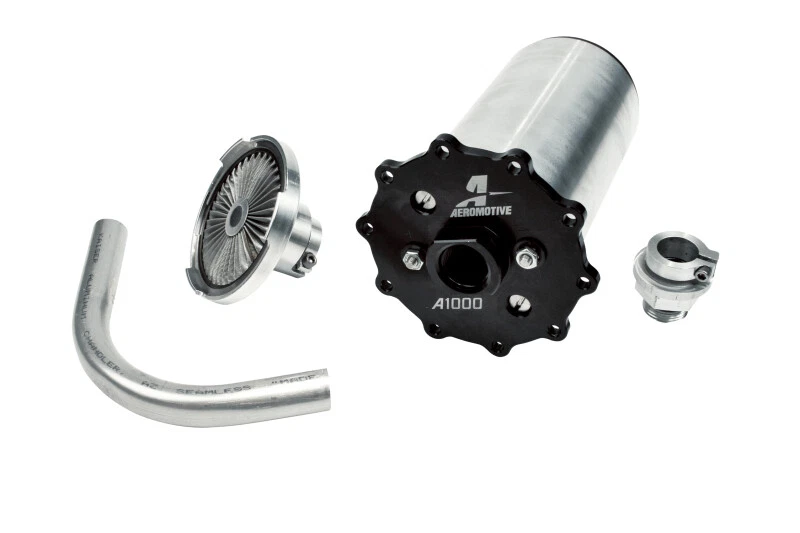
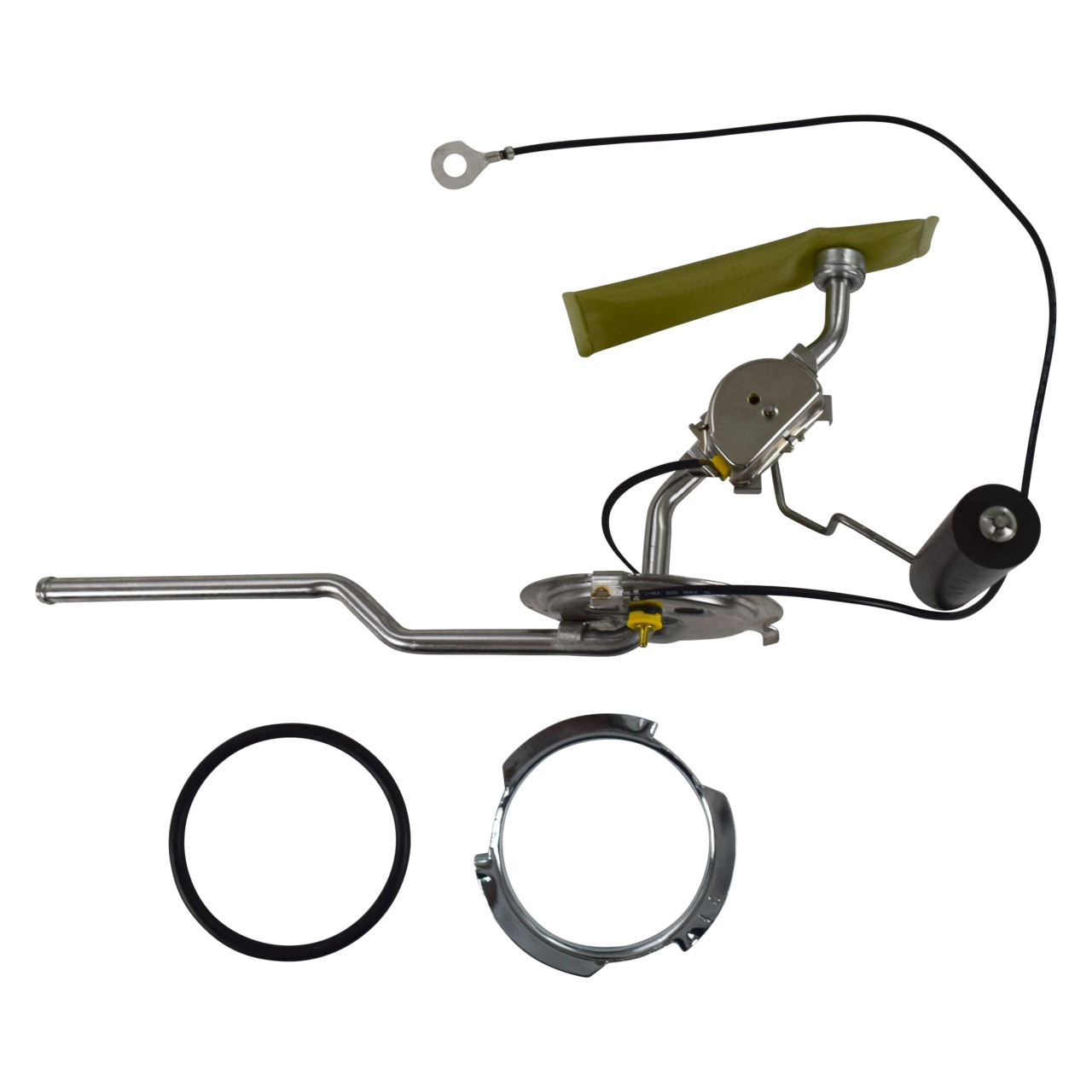
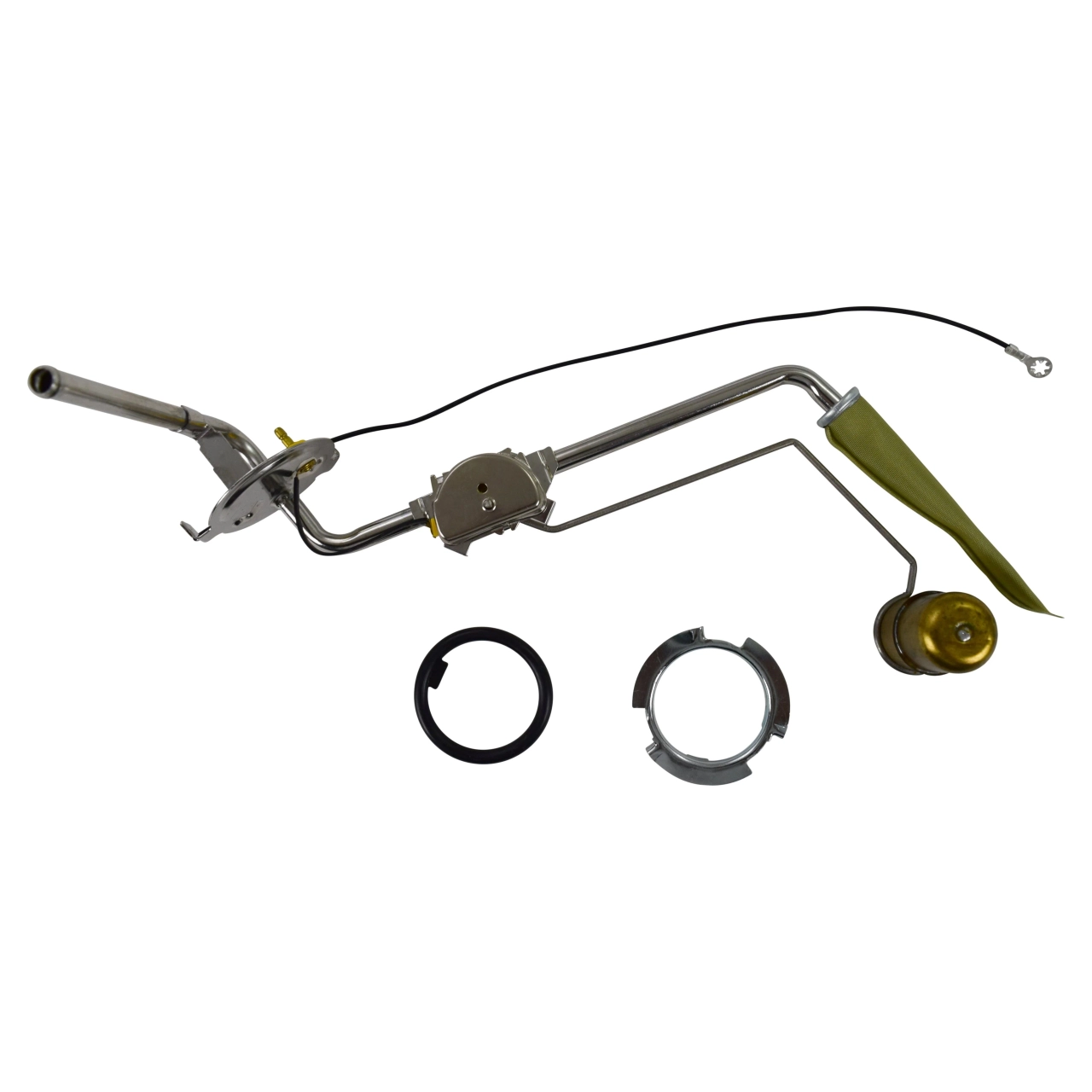
- It is a universal in-tank fuel delivery system designed for custom EFI, restomod, street-performance, and selected racing applications.
- What does “in-tank” mean?
- The fuel pump is installed inside the fuel tank rather than mounted externally.
- What does “stealth” mean in this application?
- It refers to a discreet in-tank installation that hides the pump and much of the fuel-system hardware from view.
- Will it fit every fuel tank?
- No. Tank depth, mounting surface, internal clearance, and fuel-system layout must be checked.
- Can it be used with a factory fuel tank?
- Possibly, if the tank can safely accept the required mounting flange and internal components.
- Can it be used with an aftermarket tank?
- Yes, if dimensions and mounting provisions are compatible.
- Can it be used in trucks?
- Yes, if the tank and fuel requirements are compatible.
- Can it support high-performance engines?
- Yes, if the pump and system are sized correctly for the engine’s fuel demand.
- Why does horsepower matter?
- Higher horsepower generally requires more fuel flow.
- Can an oversized pump be used?
- It can, but regulator capacity, return-line size, wiring, and fuel heating should all be considered.
- Does this system reduce pump noise?
- It often can because the pump is submerged inside the tank.
- Does fuel help lubricate the pump?
- Yes, for pumps designed to operate submerged in fuel.
- Is this suitable for a show car?
- Yes, especially where a clean engine bay and chassis appearance are desired.
- Does the kit include a fuel pump?
- It may. Verify the exact package contents.
- Does it include AN fittings?
- It may include some, but verify the exact kit contents.
- Can this be used with a return-style fuel system?
- Yes, if the system and regulator are configured for it.
- Can it be used with a returnless system?
- Possibly, depending on the pump module and control strategy.
- Why does tank depth matter?
- The pump hanger and pickup must fit inside the tank without contacting the bottom or top incorrectly.
- Does the mounting surface need to be flat?
- Yes, or sufficiently flat for the flange and seal to seat properly.
- Should the flange area be reinforced?
- Sometimes, depending on tank material and thickness.
- Is draining alone enough before cutting or drilling?
- No. The tank must also be thoroughly cleaned and free of fuel vapors.
- Does the pickup need to sit at the very bottom?
- It should be positioned according to the system design, close enough to maintain reliable fuel pickup without improper contact.
- What is cavitation?
- It is a condition where the pump cannot receive fuel properly, reducing performance and potentially damaging the pump.
- Should the gasket be reused?
- A new gasket is preferable when the system is opened, unless the manufacturer states otherwise.
- What does it do instead?
- It helps provide the fuel delivery needed to support the engine’s existing or planned power level.
- Can it fix a weak or noisy external-pump setup?
- Yes, if the external pump is the issue and the new system is properly sized.
- What should I verify before ordering?
- Confirm the fuel tank depth, mounting surface size, internal clearance, fuel-level sender position, baffle location, pickup placement, feed and return line sizes, required fuel flow and pressure, fuel type, regulator configuration, pump current draw, wiring capacity, venting strategy, horsepower target, and exact kit contents before purchase.