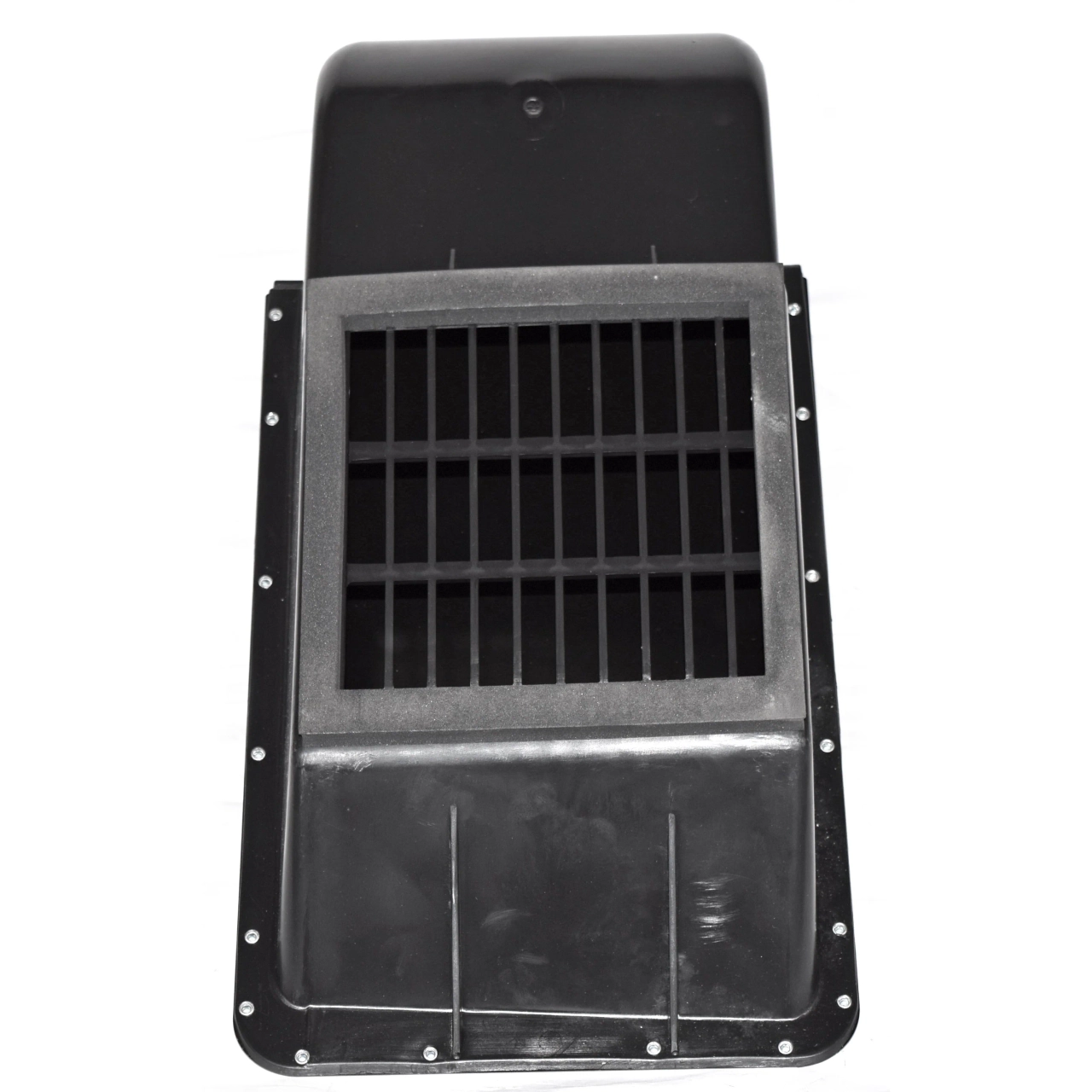
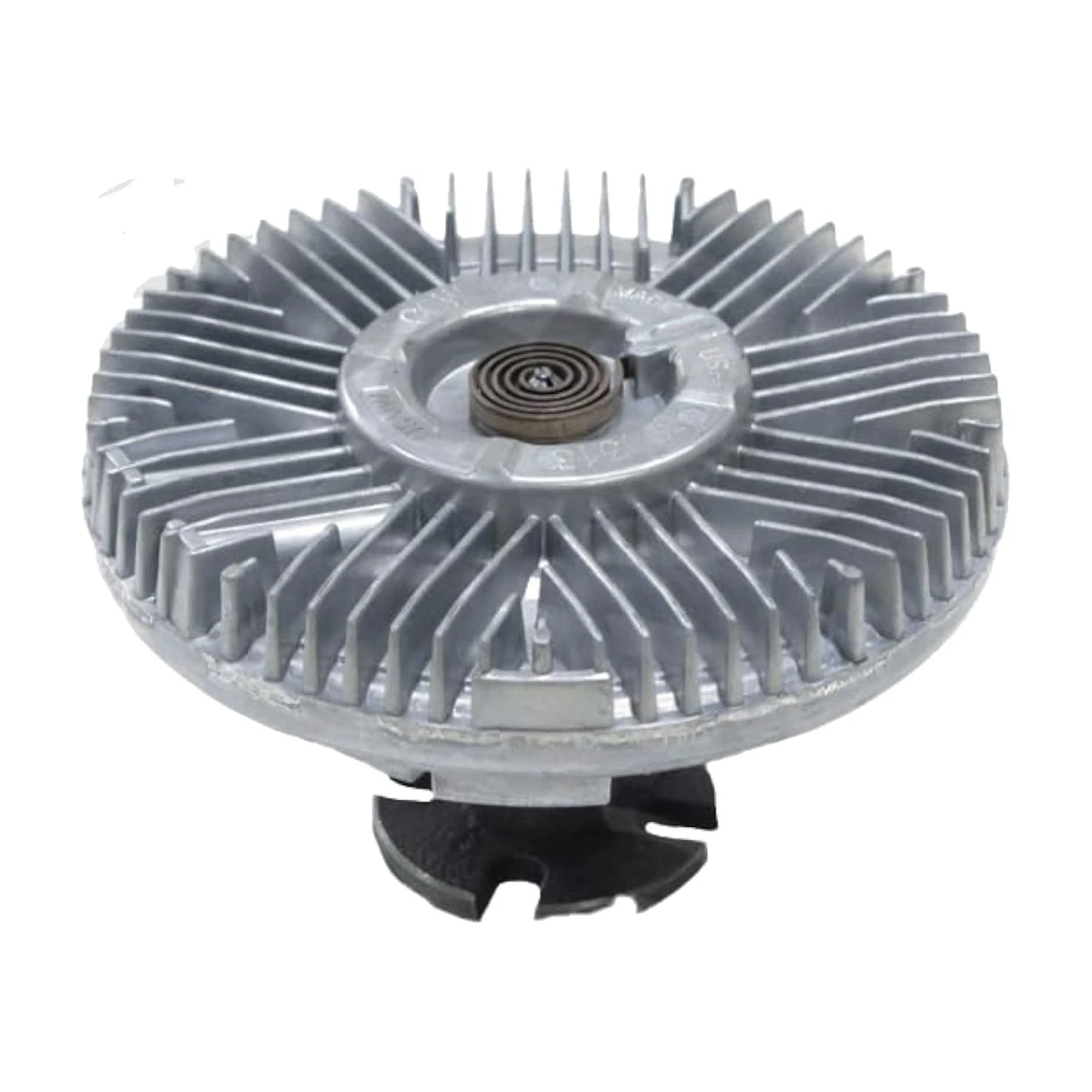
- What is the 1966–1977 Ford Bronco heater vent?
- It is an interior HVAC outlet designed to direct warm or ventilated air from the heater system into the cabin of compatible first-generation Ford Broncos.
- What years does this heater vent fit?
- It is intended for compatible 1966–1977 Ford Bronco applications.
- Is this for an Early Bronco?
- Yes. The 1966–1977 Bronco is commonly referred to as the first-generation or Early Bronco.
- Where is the heater vent located?
- It installs in the interior HVAC system, typically at the dash or under-dash outlet location depending on the original setup.
- What does the heater vent do?
- It directs airflow from the heater box and ducting into the passenger compartment.
- Does this vent provide heat by itself?
- No. The vent only directs airflow. The heater core, blower, heater box, and engine coolant system produce and move the heat.
- Does the heater vent include duct hose?
- Duct hose should not be assumed to be included unless specifically stated by the supplier.
- Is mounting hardware included?
- Screws, clips, or brackets may vary by supplier and should not be assumed unless listed.
- Does it include the heater box?
- No. The heater box is a separate HVAC component.
- Does it include the heater core?
- No. The heater core is normally sold separately.
- Does it include a blower motor?
- No. A blower motor is not normally part of a heater vent listing.
- Is this vent suitable for a factory-style restoration?
- Yes. It is intended to help restore the original-style HVAC appearance and airflow arrangement.
- Can it replace a cracked original heater vent?
- Yes, provided the mounting and duct connection match your Bronco.
- Can it replace a missing vent?
- Yes. It is useful for completing an Early Bronco interior where the original vent has been removed or lost.
- What are common reasons to replace the heater vent?
- Cracking, brittleness, fading, broken mounting tabs, missing louvers, or previous interior modifications are common reasons.
- Can a damaged vent reduce cabin airflow?
- Yes. A broken or poorly connected vent can allow air to escape or prevent it from being directed where needed.
- Can a bad vent affect defrost performance?
- It can if the damaged outlet or ducting diverts airflow away from the windshield system.
- Is the vent adjustable?
- That depends on the exact replacement design. Some vents use directional louvers while others have a simpler fixed outlet.
- Should the louvers move freely?
- Yes, if the vent uses adjustable louvers. They should move without binding or excessive looseness.
- Can I reuse my original duct hose?
- Yes, if the hose is in good condition and matches the new vent's inlet diameter.
- Should old duct hose be replaced?
- Replace it if it is cracked, crushed, torn, brittle, or leaking air.
- Is the duct diameter important?
- Yes. The vent inlet needs to match the existing HVAC duct or adapter for proper airflow.
- Will this work with the original heater box?
- It should work with a compatible factory-style heating system when the duct and mounting arrangement match.
- Will it fit a Bronco with aftermarket air conditioning?
- Not necessarily. Aftermarket A/C systems often use different vent sizes and ducting.
- Will it fit a Vintage Air-style system?
- Direct compatibility should not be assumed. Custom A/C systems typically use their own vents and duct adapters.
- Can it be installed with a custom dashboard?
- Possibly, but the opening size, mounting method, and duct routing must be checked first.
- Can an engine swap affect heater vent fitment?
- Usually not directly, but engine swaps can lead to broader HVAC and firewall modifications that may change the overall system.
- Does the vent mount directly to the dash?
- The exact mounting position depends on the Early Bronco HVAC configuration, so compare the replacement part with the original opening.
- Should I verify the vent dimensions before ordering?
- Yes. Compare overall size, opening dimensions, duct connection, and mounting points.
- Is the color always black?
- Many replacement vents are black, but finish can vary by manufacturer.
- Can the vent be painted?
- Some plastic vents can be refinished with suitable interior trim products, but compatibility with the material should be confirmed first.
- Is this a left- or right-side-specific part?
- That depends on the exact vent design. Confirm the intended location if the original system uses side-specific outlets.
- Can this vent be used for fresh-air ventilation?
- Only if the factory or modified HVAC system routes fresh air through that outlet.
- Does replacing the vent improve heater output?
- It can improve how effectively air is directed, but it will not increase the heater core's heat output or blower performance.
- What else should I inspect while replacing the vent?
- Check the duct hose, heater box seals, blower operation, control cables, and surrounding dash area.
- Should the vent seal tightly to the duct?
- Yes. A secure connection helps prevent air leakage and improves airflow into the cabin.
- Is this suitable for daily-driven Broncos?
- Yes, when properly fitted to a compatible factory-style or similar HVAC system.
- Is it suitable for show restorations?
- It can be, but compare the texture, shape, color, and mounting details with the originality standard you are targeting.
- What is the estimated shipping weight?
- A heater vent of this type is typically lightweight, around 0.5–1.5 lb depending on construction and packaging.
- What shipping weight should I use for the listing?
- 2 lb (0.9 kg) is a practical packaged listing weight unless the supplier provides an exact figure.
- What should I verify before ordering?
- Confirm the 1966–1977 Ford Bronco application, vent position, dimensions, mounting style, duct connection, dashboard configuration, and any aftermarket HVAC modifications.