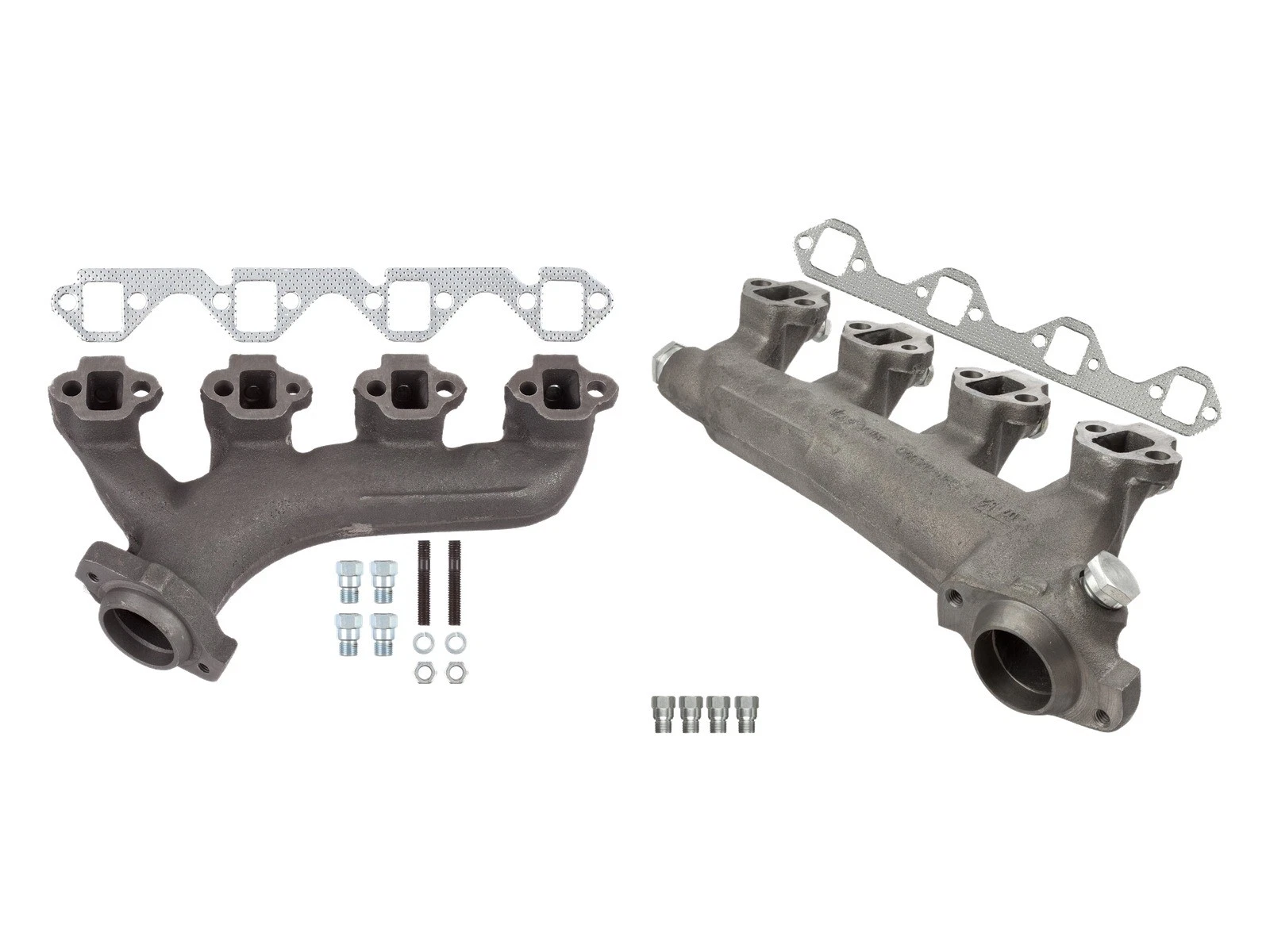
- What is this part?
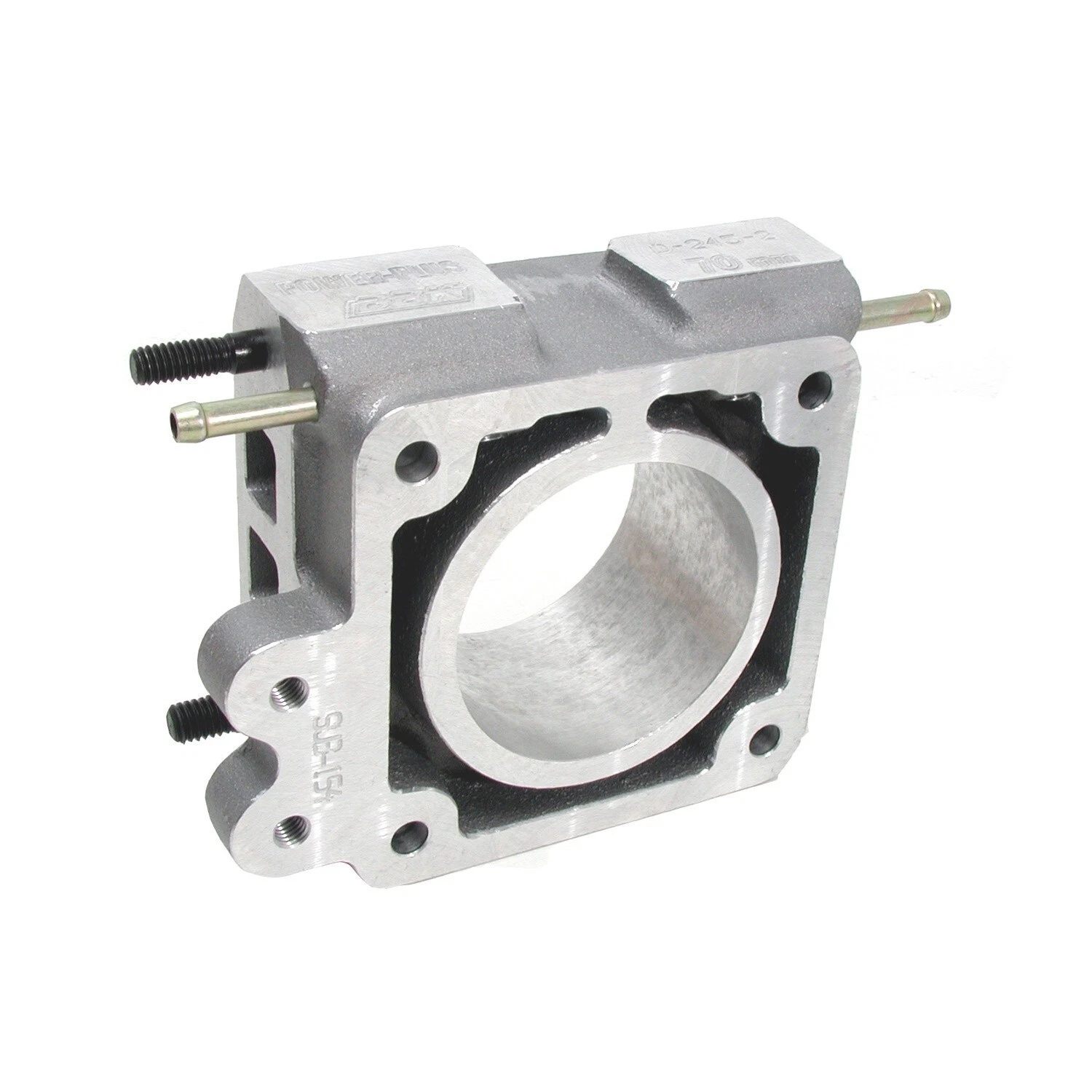
- It is an Exhaust Gas Recirculation (EGR) valve spacer plate for compatible 1993 Ford Bronco Eddie Bauer applications.
- What does the EGR spacer plate do?
- It provides the mounting interface between the throttle-body/intake area and the EGR system while maintaining the required exhaust-gas passages.
- Is this for a 1993 Ford Bronco?
- Yes, it is intended for compatible 1993 Ford Bronco applications.
- Is it specifically for the Eddie Bauer trim?
- It can fit Eddie Bauer models when the engine, throttle body, and EGR configuration match.
- Does Eddie Bauer trim alone determine fitment?
- No. Engine size and intake-system configuration are more important than trim level.
- What engine is this spacer commonly associated with?
- It is commonly associated with 1993 Bronco models equipped with the 5.0L 302 V8.
- Why is the spacer plate important?
- It helps maintain correct spacing, sealing, airflow, and EGR passage alignment between connected components.
- Can a damaged spacer cause drivability problems?
- Yes. A damaged or leaking spacer may contribute to vacuum leaks, poor sealing, or EGR-related issues.
- Can a warped spacer cause a vacuum leak?
- Yes. Warping can prevent the mating surfaces from sealing correctly.
- Can corrosion damage an EGR spacer?
- Yes. Age, moisture, heat, and exhaust gases can contribute to corrosion or deterioration.
- Can a cracked spacer be repaired?
- Replacement is usually preferable when the plate is cracked, severely corroded, or warped.
- Is this a direct-fit part?
- It is application-specific and can be a direct replacement when the bore size, bolt pattern, and passages match the original.
- Is this a universal spacer plate?
- No. It should be matched to the correct Ford engine and intake configuration.
- Why does bore size matter?
- The spacer opening must match the throttle body and intake setup to maintain proper airflow and fitment.
- What bore sizes are common?
- Comparable aftermarket units can be available in sizes such as 70 mm or 75 mm.
- Can I use a 75 mm spacer with a smaller throttle body?
- Only if the components are designed to work together. Mismatched bore sizes can create airflow or fitment issues.
- Can an aftermarket throttle body affect fitment?
- Yes. Modified or larger throttle bodies may require a matching spacer.
- Can an aftermarket intake manifold affect compatibility?
- Yes. Modified intake systems may use a different bolt pattern, bore, or EGR arrangement.
- Does the spacer have EGR passages?
- Yes, compatible factory-style designs include passages that allow exhaust-gas flow through the EGR system.
- Why must the EGR passages line up?
- Misalignment can restrict flow, cause sealing problems, or interfere with proper EGR operation.
- Are gaskets included?
- Some spacer kits include gaskets, while others sell them separately.
- Should I use new gaskets during installation?
- Yes. New gaskets are recommended for proper sealing.
- Are mounting bolts included?
- Do not assume so unless the listing specifically includes them.
- Can I reuse the original bolts?
- Yes, if they are undamaged, clean, and within specification.
- Should the mounting surfaces be cleaned first?
- Yes. Remove old gasket material and residue before installing the replacement spacer.
- Can carbon buildup affect this area?
- Yes. Carbon can accumulate in EGR passages and should be inspected during service.
- Should EGR passages be cleaned during replacement?
- Yes, if they are restricted and the service procedure allows cleaning.
- Can blocked passages trigger EGR-related trouble codes?
- Yes. Restricted EGR flow can cause diagnostic trouble codes even if the valve itself is good.
- Is the spacer made from aluminum?
- Many replacement and performance spacers use aluminum or similar metal construction.
- Is this suitable for restoration?
- Yes. It is useful for restoring a factory-style intake and EGR arrangement.
- Can it be used on a daily-driven Bronco?
- Yes, when the configuration matches the vehicle.
- Is this considered an emissions component?
- Yes. It is part of the intake/EGR emissions system.
- Will replacing the spacer increase horsepower?
- A factory-style replacement is mainly intended to restore proper fit and function rather than provide a major power increase.
- What if the vehicle has an EGR-delete setup?
- A modified EGR-delete system may not use the spacer in the original way.
- Will replacing the spacer increase horsepower?
- A factory-style replacement is mainly intended to restore proper fit and function rather than provide a major power increase.
- What if the vehicle has an EGR-delete setup?
- A modified EGR-delete system may not use the spacer in the original way.
- Can the wrong spacer cause an intake leak?
- Yes. Incorrect thickness, bolt pattern, or gasket alignment can prevent proper sealing.
- Does spacer thickness matter?
- Yes. Thickness can affect component alignment, throttle linkage, vacuum connections, and overall intake fitment.
- Should I compare the old spacer before ordering?
- Yes. Compare bore diameter, bolt pattern, thickness, EGR passage locations, and overall shape.
- What is the estimated product weight?
- A typical metal EGR spacer plate is approximately 1–3 lb.
- What shipping weight should I use for the listing?
- 3 lb (1.4 kg) is a practical estimated listing weight unless an exact packaged weight is available.