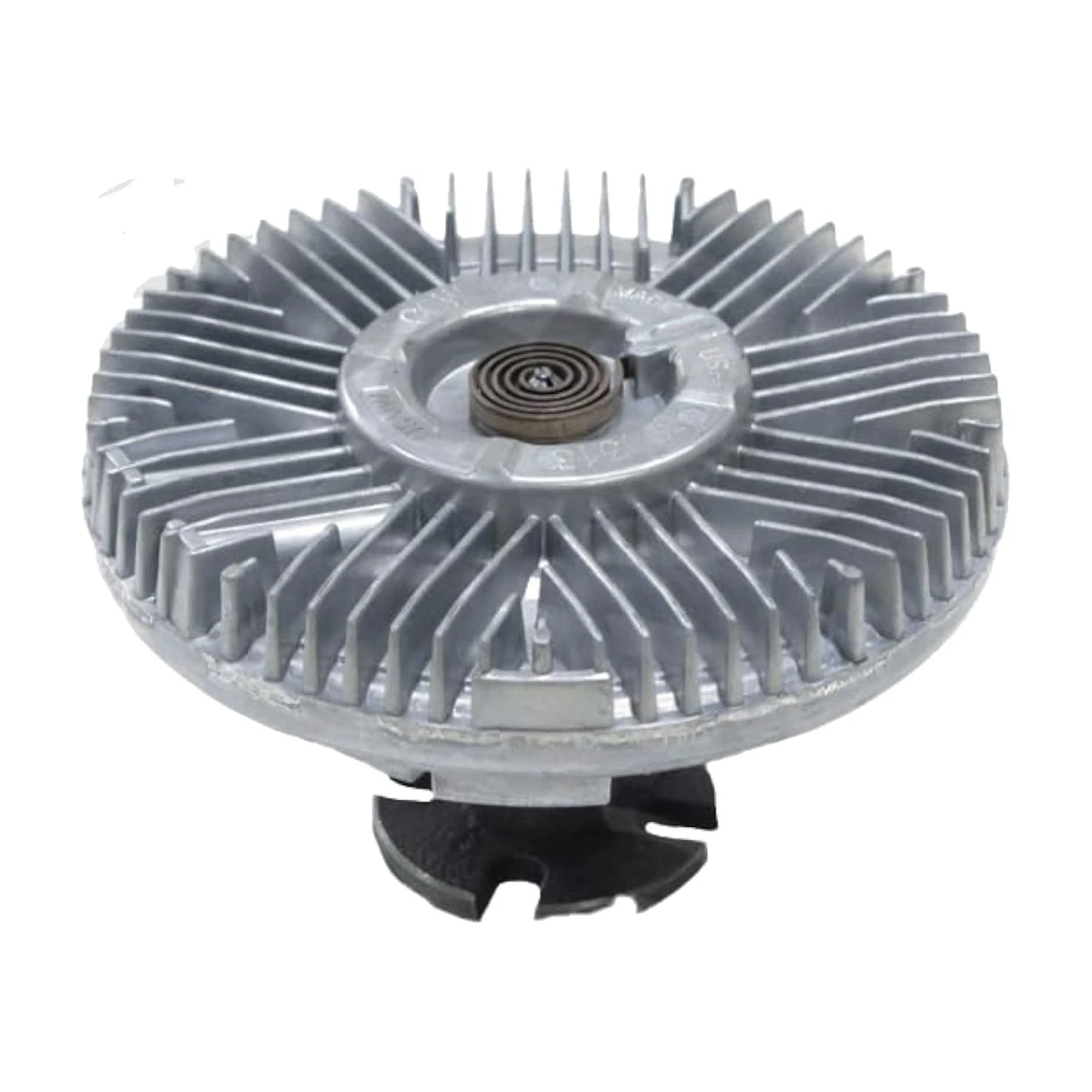
- What is this product?
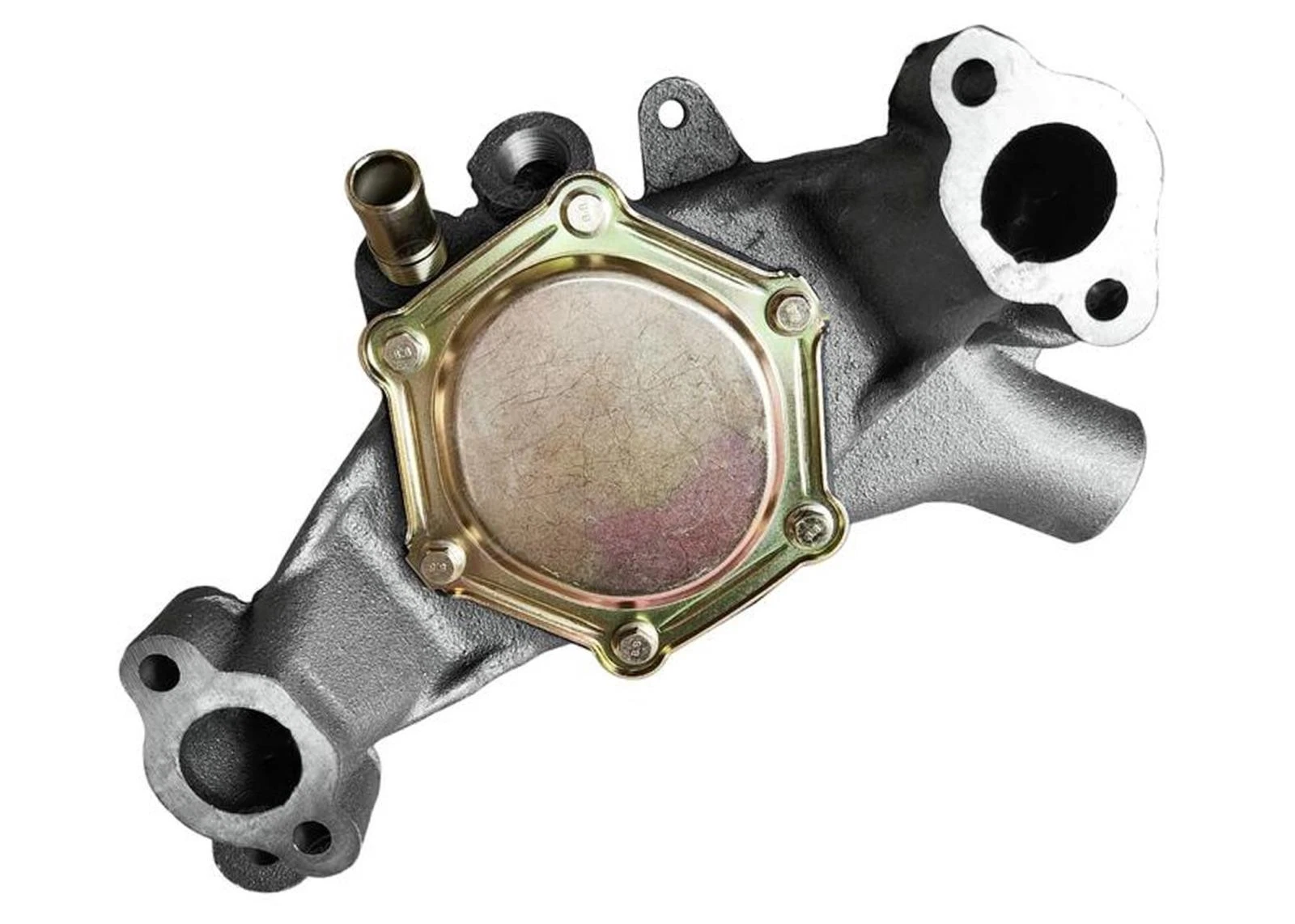
- It is a performance engine cooling water pump designed to circulate coolant through a compatible engine and radiator system.
- What does a water pump do?
- It moves coolant through the engine block, cylinder heads, radiator, and related cooling passages.
- Why is coolant circulation important?
- Proper circulation helps control engine temperature and reduce overheating risk.
- Is this a performance water pump?
- Yes. It is intended for street, restoration, and performance-oriented cooling systems.
- Can it replace a factory water pump?
- Yes, if the mounting pattern, rotation, hub height, and coolant passages match the original application.
- Does it fit every engine?
- No. Water pumps are application-specific.
- What should I verify before ordering?
- Confirm engine family, model year, rotation direction, short or long pump design, pulley alignment, mounting pattern, and coolant outlet locations.
- What does short water pump mean?
- It refers to a more compact pump length from the engine mounting surface to the pulley hub.
- What are common signs of a failing water pump?
- Coolant leaks, overheating, bearing noise, shaft play, or visible leakage from the weep hole.
- What is the weep hole?
- It is a small opening designed to show when the internal shaft seal begins to fail.
- Is coolant leaking from the weep hole normal?
- Persistent leakage usually indicates seal failure.
- Can a bad water pump make noise?
- Yes. Worn bearings can create grinding, whining, or rumbling sounds.
- Can I check for shaft play?
- Yes. Excessive pulley or hub movement can indicate bearing wear.
- Can better cooling help performance reliability?
- Yes. Stable engine temperatures help support consistent operation.
- Can a high-flow pump move too much coolant?
- Cooling-system performance depends on the complete setup, not flow rate alone.
- Does coolant need time in the radiator to cool?
- Cooling efficiency depends on heat transfer, airflow, radiator capacity, and flow together.
- Can the wrong thermostat restrict a performance pump?
- Yes.
- Can a clogged radiator reduce pump effectiveness?
- Yes.
- Can mineral buildup reduce coolant flow?
- Yes.
- Should I use distilled water when mixing coolant?
- It is generally preferred when mixing concentrate, unless the coolant manufacturer specifies otherwise.
- Can I run straight water?
- Not for normal long-term street use because proper coolant also provides corrosion and freeze protection.
- What is the estimated product weight?
- Approximately 6–12 lb depending on housing material and pump design.
- What shipping weight should I use?
- A practical estimated packaged weight is about 14 lb.
- What should I verify before ordering?
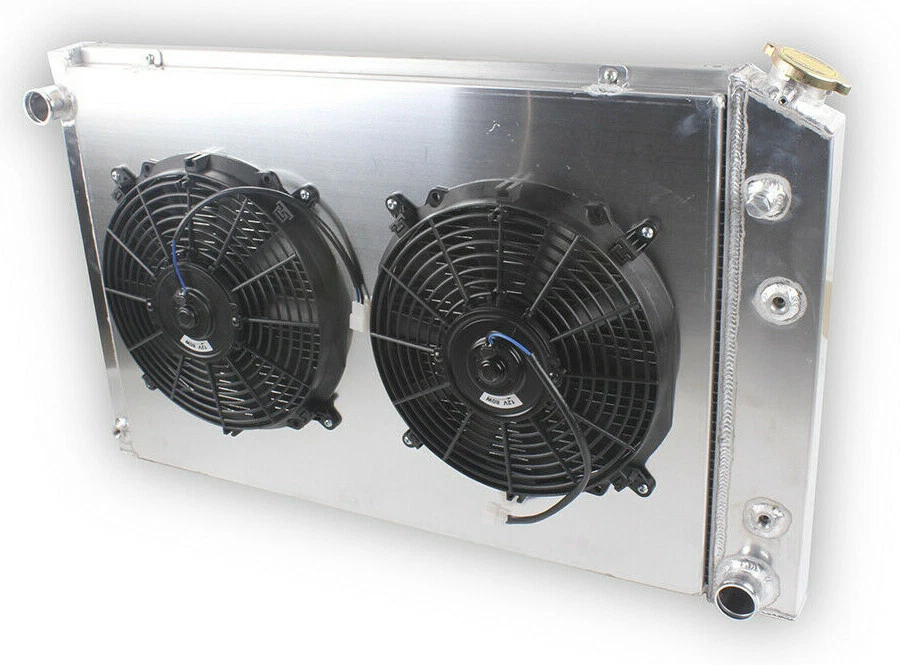
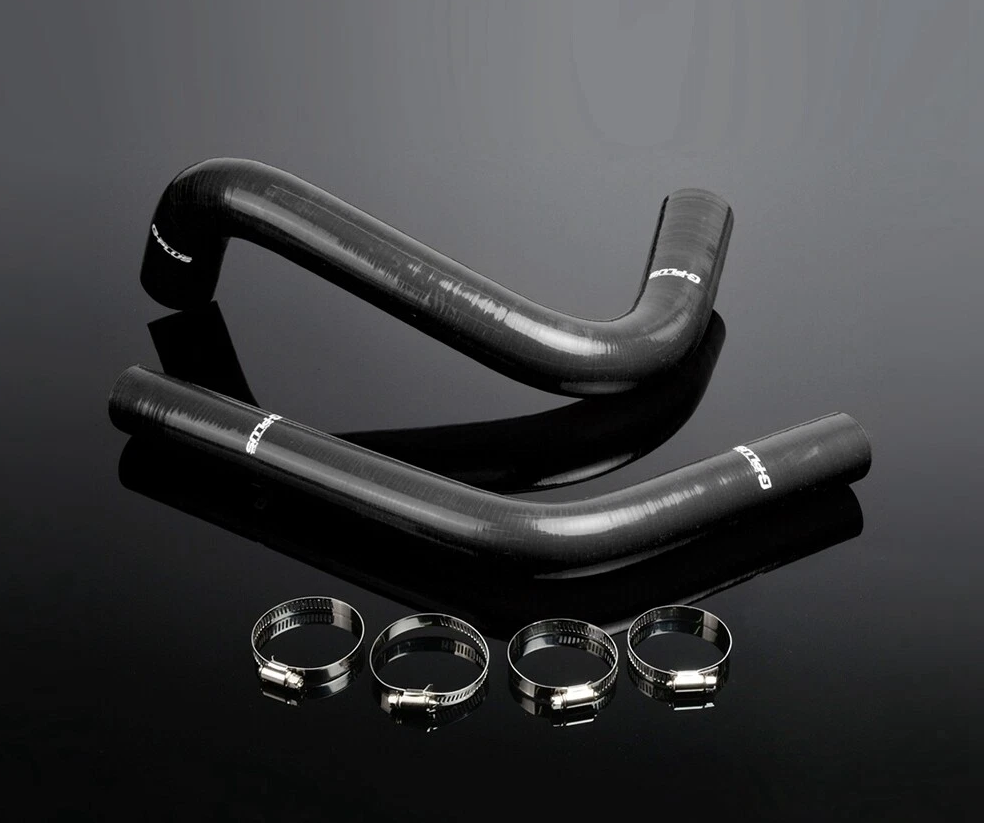
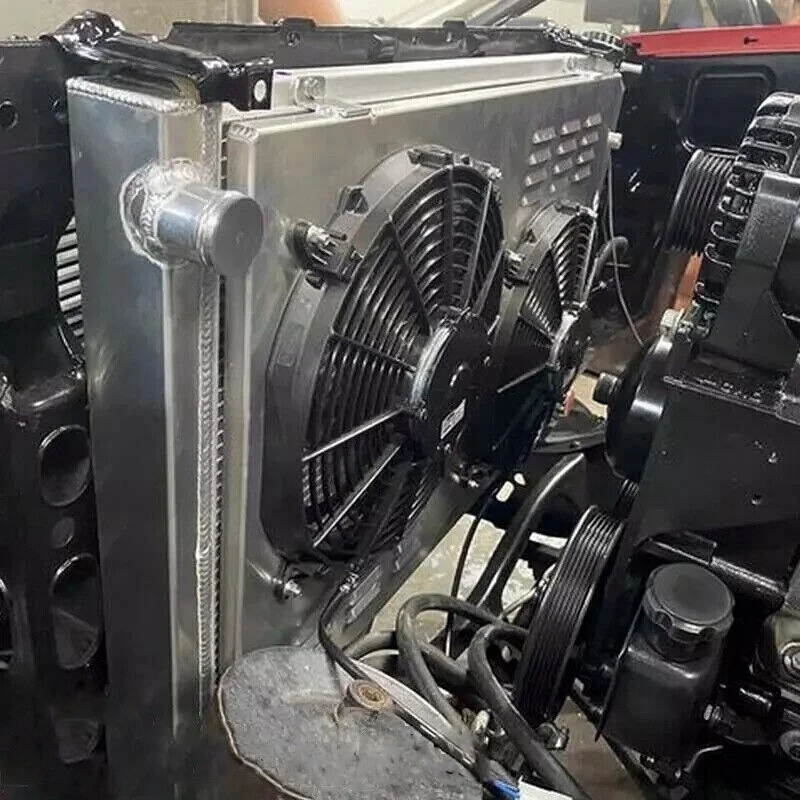
- Confirm the vehicle, engine family, model year, standard or reverse rotation, short or long pump design, mounting pattern, pulley alignment, hub height, belt configuration, coolant passages, fan setup, and included components before purchase.