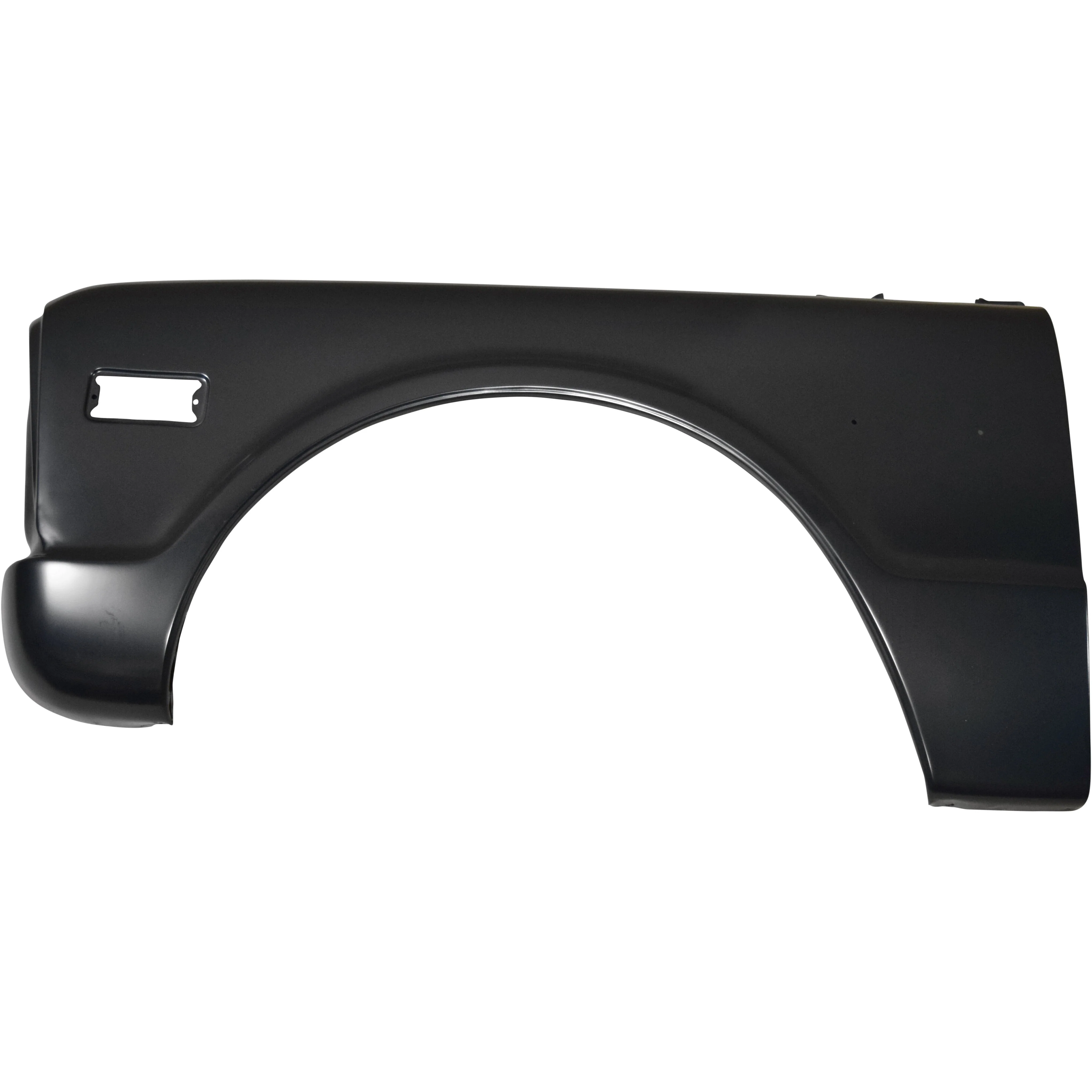
- What is this product?
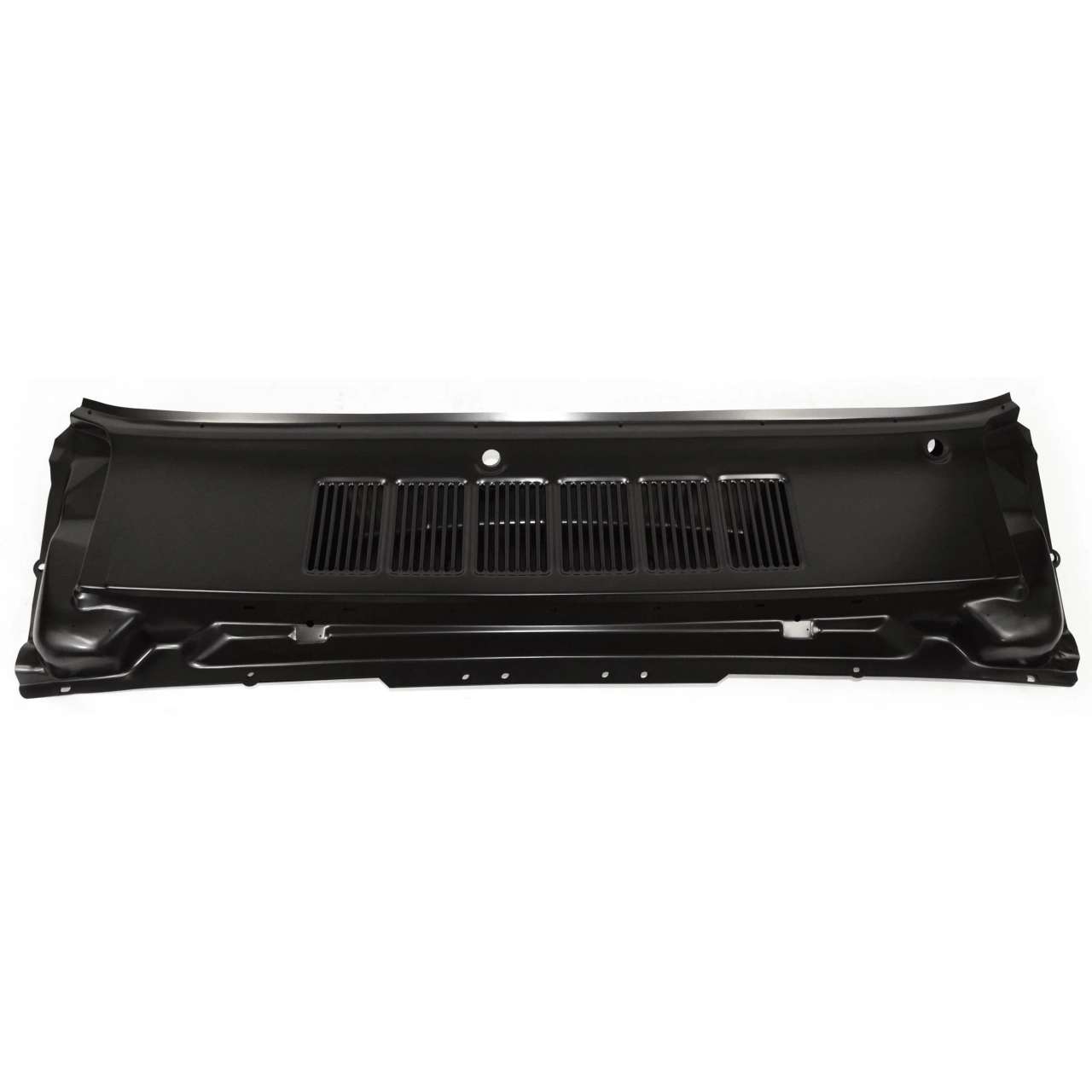
- It is a replacement cowl grille panel assembly for compatible 1965–1966 Ford Mustang applications.
- What area of the car does it replace?
- It replaces the upper cowl area between the rear edge of the hood and the base of the windshield.
- What years does it fit?
- It is intended for 1965 and 1966 Ford Mustang models.
- Does it fit all 1965–1966 Mustang body styles?
- It may fit multiple body styles, but exact compatibility should be verified before ordering.
- Is this the visible exterior cowl panel?
- Yes. It replaces the vented grille panel visible between the hood and windshield.
- Does it include the inner cowl?
- Not unless specifically stated.
- Are the cowl hats included?
- Not unless specifically stated.
- Are the fresh-air vent chambers included?
- Not unless specifically stated.
- Why do Mustang cowl panels rust?
- Moisture, debris, clogged drains, leaking vent areas, and hidden corrosion can damage the cowl over time.
- Is cowl rust common on early Mustangs?
- Yes, especially around hidden vent and drainage areas.
- Why is inner cowl inspection important?
- Because corrosion may be hidden underneath the upper grille panel.
- What are cowl hats?
- They are raised vent structures in the inner cowl that help keep water out while allowing fresh air into the cabin.
- Will replacing the upper cowl alone stop future corrosion?
- Not if the hidden drainage or inner-cowl problems remain.
- Can weld-through primer be used?
- Yes, especially at overlapping weld areas.
- Should epoxy primer be used on accessible surfaces?
- It is commonly used for corrosion protection.
- How can the cowl be water-tested?
- After the repair is fully sealed, carefully introduce water at the exterior cowl and inspect the interior for leaks.
- Should the dashboard be reinstalled before water testing?
- Ideally, complete leak testing first where practical.
- Can windshield removal be necessary during installation?
- Depending on the repair method and access, yes.
- Should the hood be removed for installation?
- It may make access easier, but the exact procedure depends on the repair plan.
- Which welding method is best?
- It depends on panel thickness, access, joint design, and installer experience
- Should weld zones remain bare where necessary for welding?
- Yes, with suitable weld-through protection where appropriate.
- What is the estimated product weight?
- Approximately 18–30 lb depending on steel gauge and included reinforcement
- What shipping weight should I use?
- Approximately 35 lb is a practical estimated packaged weight.
- Is the 35 lb weight exact?
- No. It is a recommended listing estimate.
- Is this an OEM Ford panel?
- Do not assume so unless the supplier specifically identifies it as genuine Ford OEM.
- Is it better described as a replacement or reproduction panel?
- Yes unless genuine OEM status is documented.
- Can small rust holes be patched instead of replacing the complete panel?
- Possibly, but a complete panel is often more appropriate when corrosion is extensive.
- When is full cowl-panel replacement preferable?
- When multiple areas are rusted, vent openings are damaged, previous repairs are extensive, or the panel is structurally compromised.
- Does fewer patch seams automatically guarantee a better repair?
- No. Alignment and welding quality still matter.
- What should I verify before ordering?
- Confirm the 1965–1966 Ford Mustang model year, body configuration, windshield-base dimensions, hood and fender alignment, inner cowl condition, cowl hats, vent chambers, drain paths, firewall seam, wiper openings, surrounding rust, finish requirements, and exact package contents before purchase.
- What is the most important installation advice?
- Do not weld the new upper cowl permanently until the hidden cowl structure has been repaired, protected, test-fitted, and checked for proper drainage and alignment.